THE REALITY OF RIO GRANDE DO SUL AND THE ECOLOGICAL CRISIS
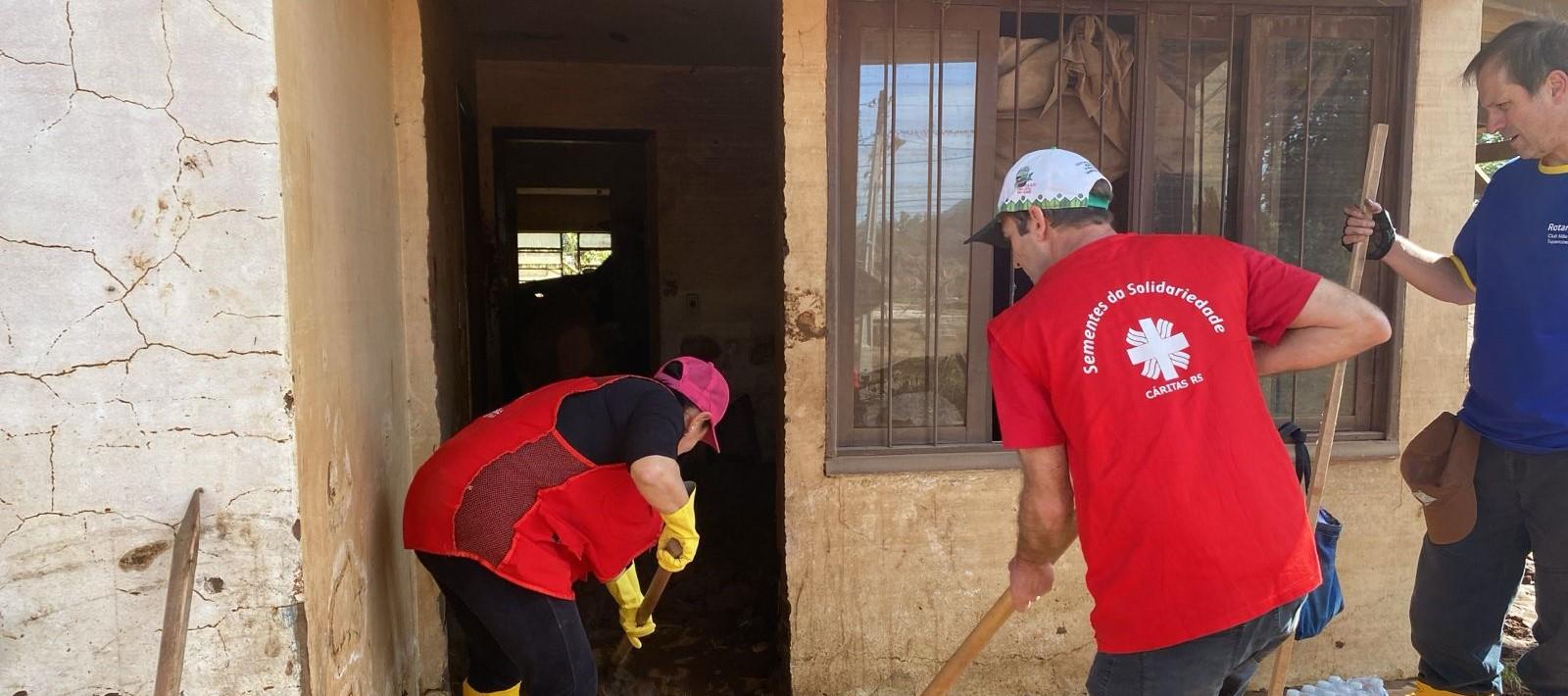
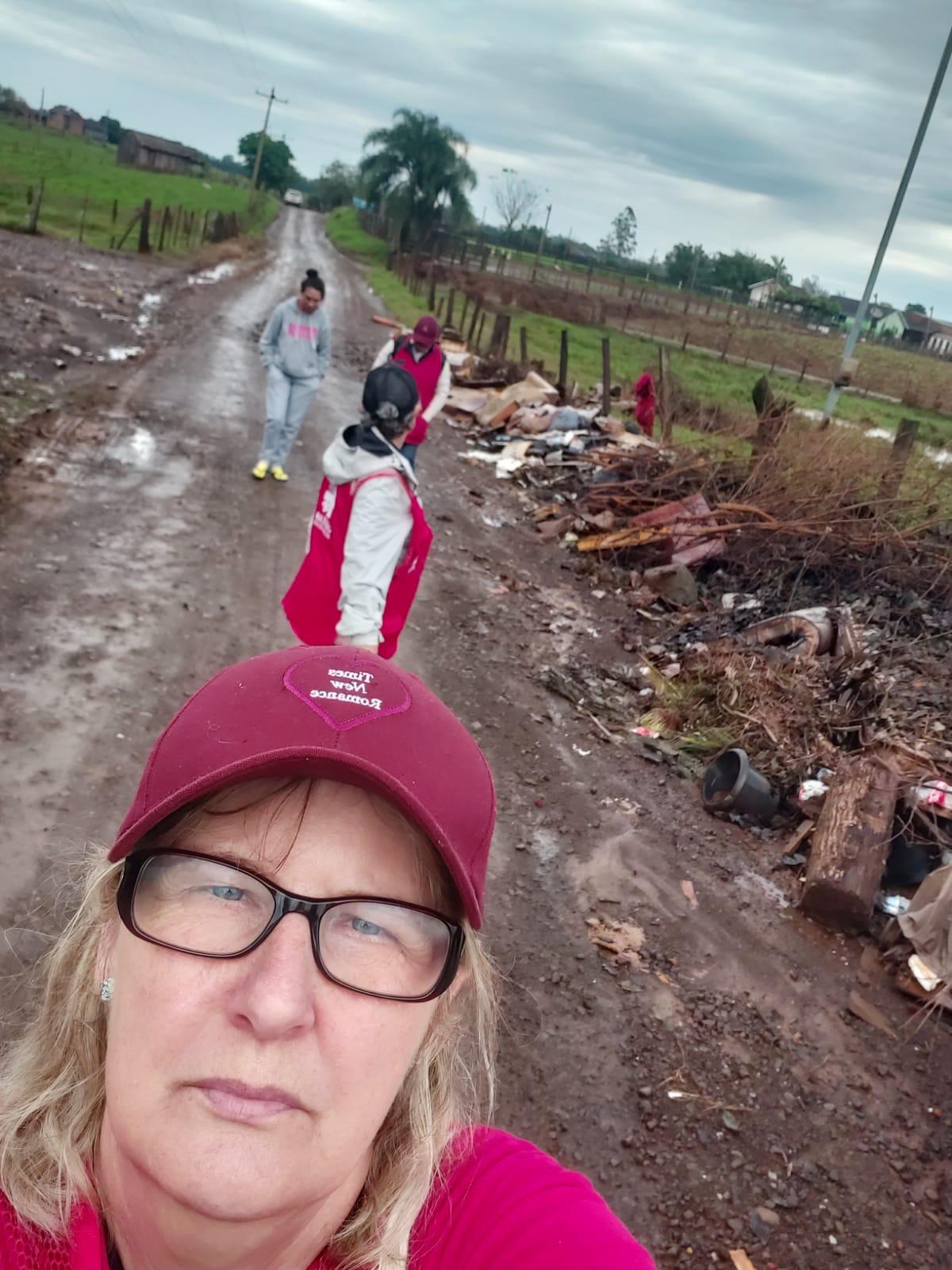
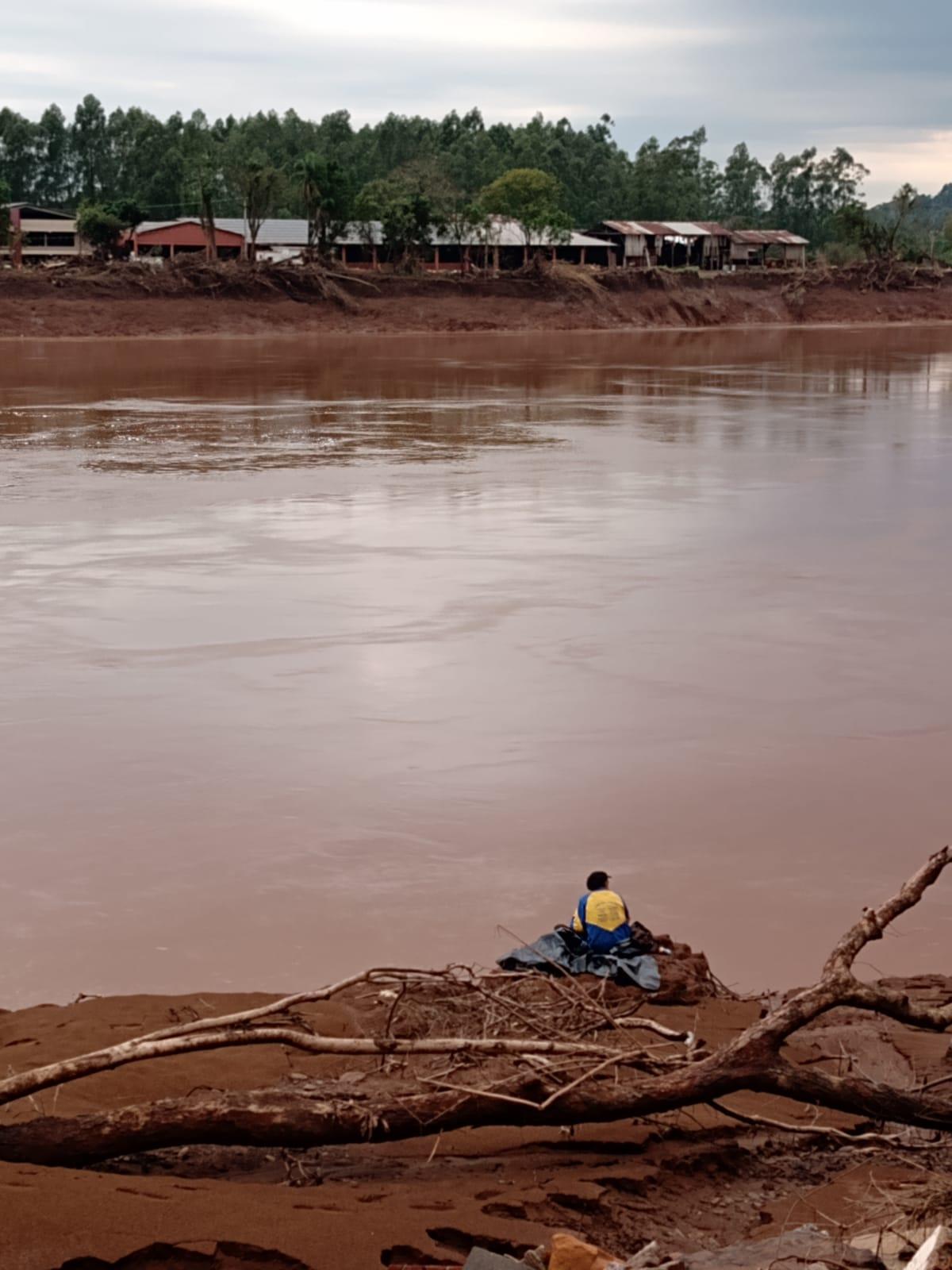
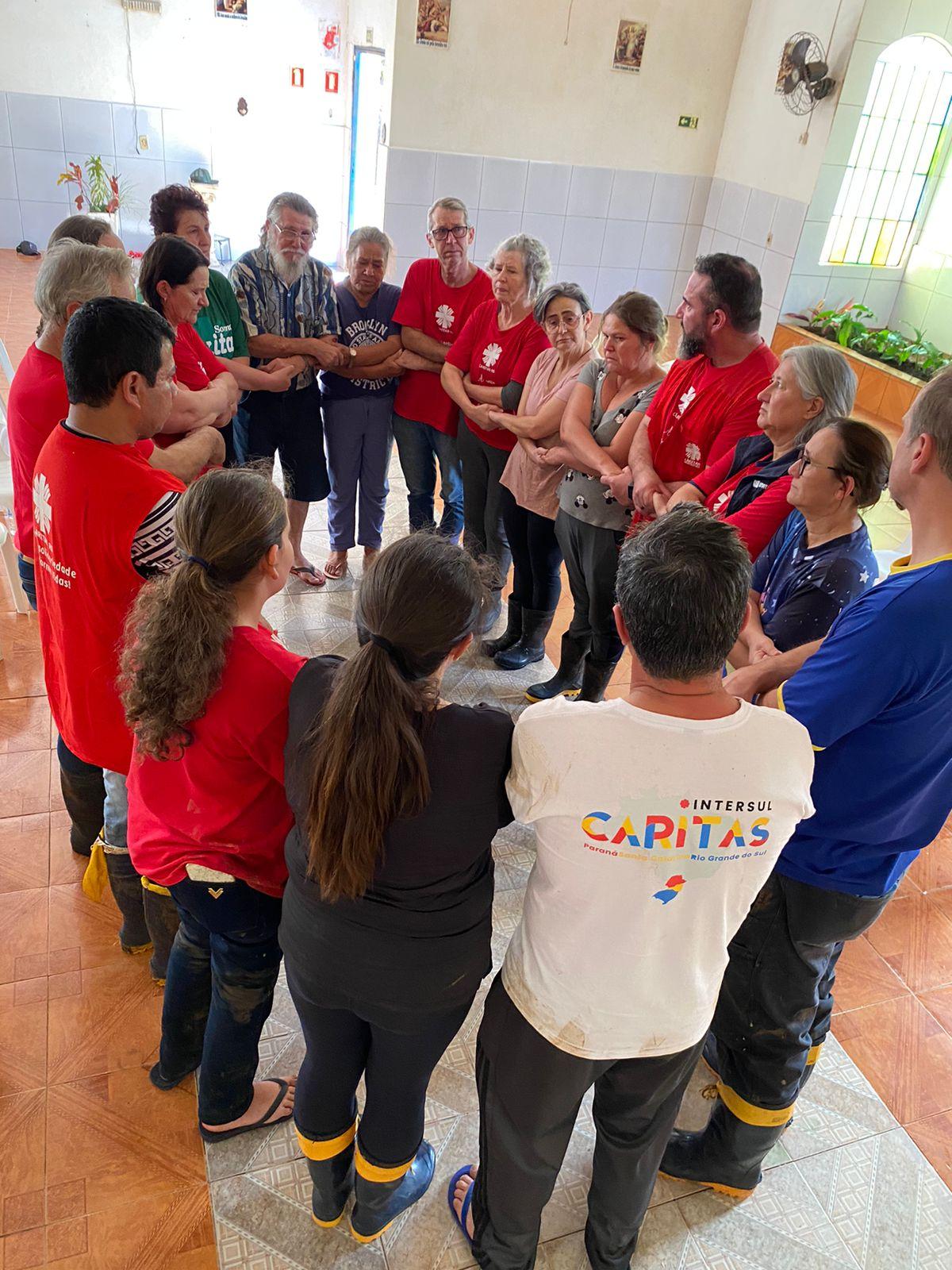
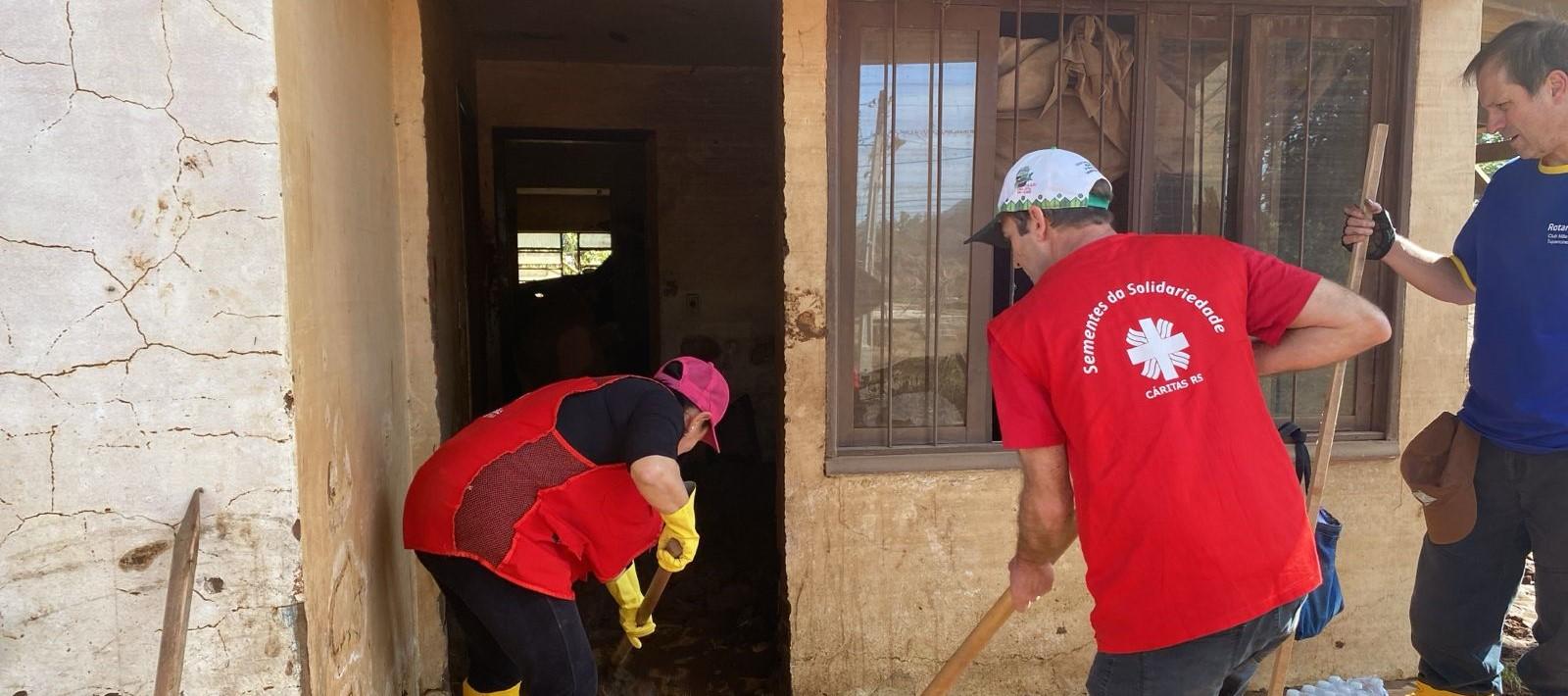
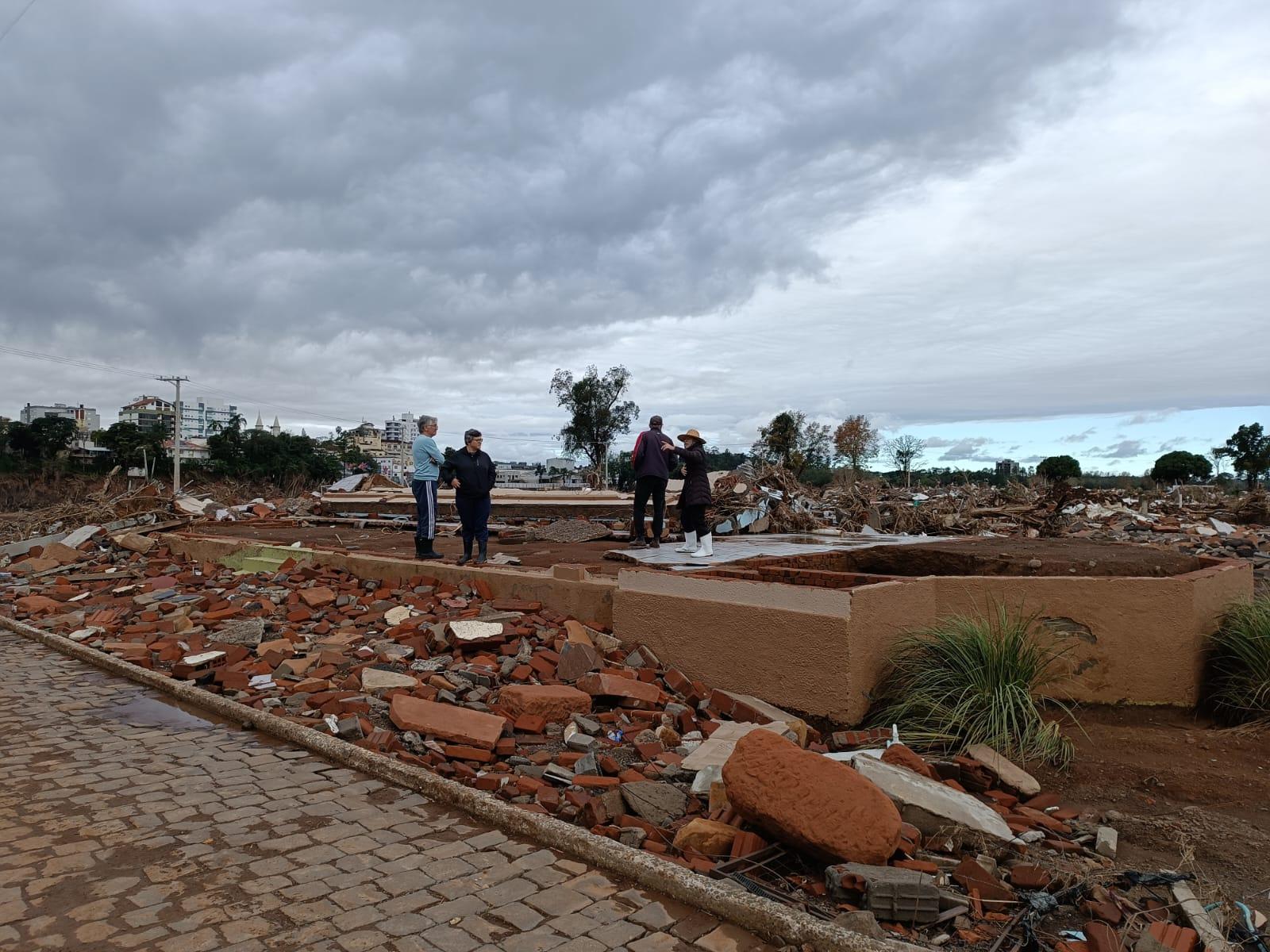
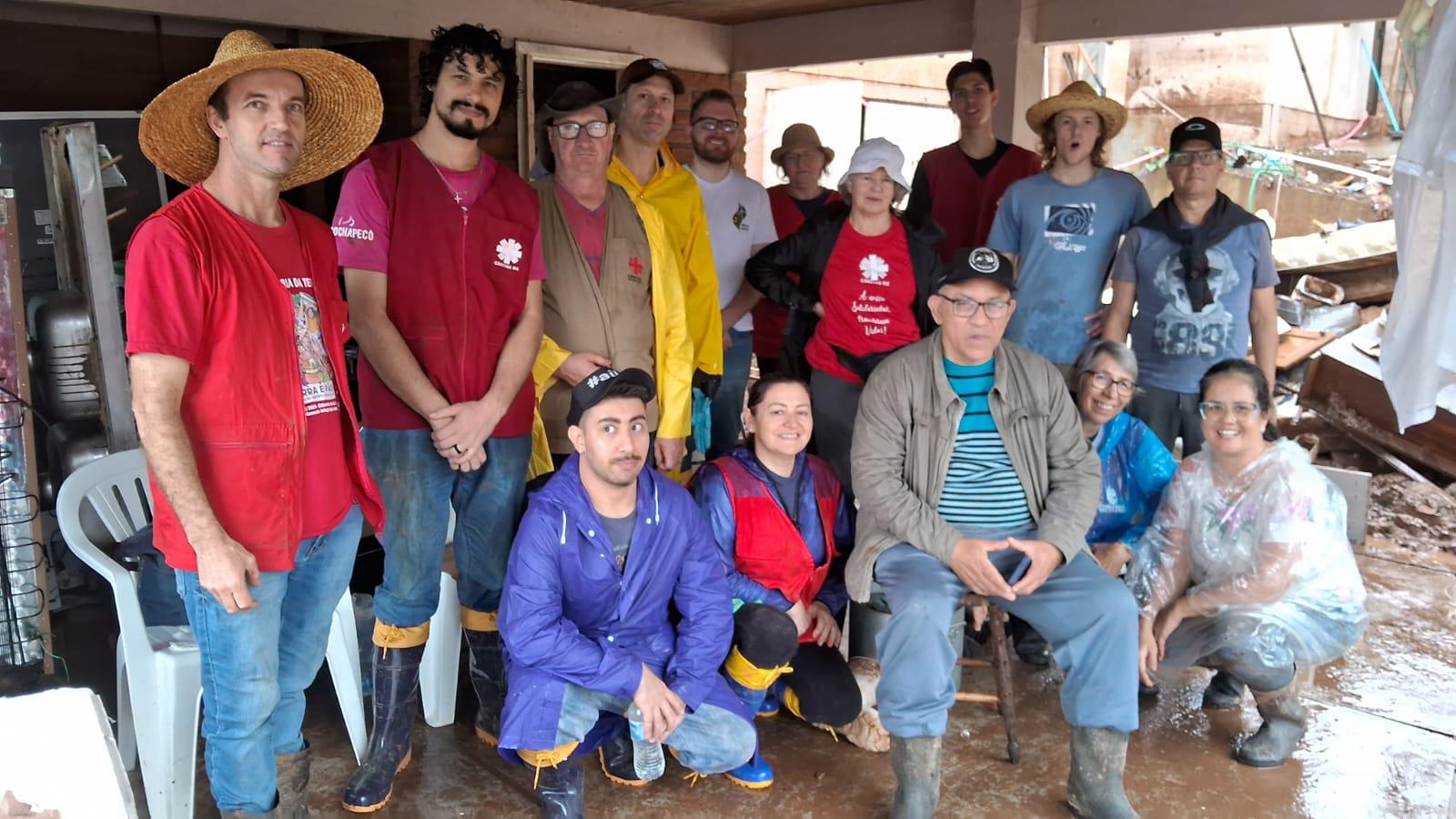
Faced with life's difficulties, such as illness, catastrophes and irreparable losses, the first human attitude is to remember to ask God to deliver, to help, to make the situation stop, and to defend from evil. Why do wars kill so many innocent people, create so many homeless people, a multitude of displaced people who are disinherited from their land? Why do millions and millions of human beings go hungry and die in this situation? Why is Rio Grande do Sul, Brazil going through this dramatic time of floods, landslides, losses and so much suffering?
Rarely do human beings realize and ask themselves these questions, or reflect on their individual or collective behaviour in relation to disasters. They seldom reflect on the systems that govern society, the paradigm of life they follow and identify with or help to feed people. And when one asks oneself, it's because one has been terribly surprised, especially by unprecedented and unanswered climatic events. S/he doesn't know exactly why this is happening and that, possibly, there isn't a single cause, but a sum of factors. Everything is interconnected.

Since 2015, Pope Francis has been reaching out to human beings, to humanity, to collectives, to systems, and making us to be greatly aware that: "The planet is the common home of the entire chain of life, including humans of all races, without distinction. However, almost 20 years ago, it was the Planet itself that woke up and sounded the alarm, groaning in pain and crying out. "Listen to the cry of the earth, the Planet Earth," was the reflection of one of the themes of the Season of Creation: Today, the prevalence of unnatural fires is a sign of the devastating effects that climate change is having on the most vulnerable. Creation cries out as forests crackle, animals flee and people are forced to migrate by the fires of injustice." (Season of Creation, 2022)
UNCONTROLLED HUMAN ACTIVITY
Catastrophic situations have awakened humanity to listen to the other, the poor, and the needy. However, Pope Francis' documents call us to listen to the Planet Earth and the poor.
Have the people of Rio Grande do Sul, living in a catastrophic situation, woken up to listen to the cry of the needy and listen to the planet earth? The great challenge is not for individuals. Many people have already woken up. The great challenge is in relation to political and economic systems, based on discernment, collective systemic decisions, capable of bringing an end to wars, hunger, devastation, destruction, sustaining the lives displaced from its lands. The cry of the earth and the poor must be heard.
Why don't the world's political, economic and social leaders obey the guidelines of the Church's documents? In the document Laudato Si, 2015, Pope Francis brings together the concerns of Catholic leaders for our common home, over a period of more than 50 years.
LAUDATO SI
“More than fifty years ago, with the world teetering on the brink of nuclear crisis, Pope Saint John XXIII wrote an Encyclical which not only rejected war but offered a proposal for peace. He addressed his message Pacem in Terris to the entire “Catholic world” and indeed “to all men and women of good will”. Now, faced as we are with global environmental deterioration, I wish to address every person living on this planet. In my Apostolic Exhortation Evangelii Gaudium, I wrote to all the members of the Church with the aim of encouraging ongoing missionary renewal. In this Encyclical, I would like to enter into dialogue with all people about our common home.” (LS 3)
“In 1971, eight years after Pacem in Terris, Blessed Pope Paul VI referred to the ecological concern as “a tragic consequence” of unchecked human activity: “Due to an ill-considered exploitation of nature, humanity runs the risk of destroying it and becoming in turn a victim of this degradation”. He spoke in similar terms to the Food and Agriculture Organization of the United Nations about the potential for an “ecological catastrophe under the effective explosion of industrial civilization”, and stressed “the urgent need for a radical change in the conduct of humanity”, inasmuch as “the most extraordinary scientific advances, the most amazing technical abilities, the most astonishing economic growth, unless they are accompanied by authentic social and moral progress, will definitively turn against man”. (LS 4)
Saint John Paul II became increasingly concerned about this issue. In his first Encyclical he warned that human beings frequently seem “to see no other meaning in their natural environment than what serves for immediate use and consumption”. Subsequently, he would call for a global ecological conversion. At the same time, he noted that little effort had been made to “safeguard the moral conditions for an authentic human ecology”. The destruction of the human environment is extremely serious, not only because God has entrusted the world to us men and women, but because human life is itself a gift which must be defended from various forms of debasement. Every effort to protect and improve our world entails profound changes in “lifestyles, models of production and consumption, and the established structures of power which today govern societies”. Authentic human development has a moral character. It presumes full respect for the human person, but it must also be concerned for the world around us and “take into account the nature of each being and of its mutual connection in an ordered system”. Accordingly, our human ability to transform reality must proceed in line with God’s original gift of all that is.(LS 5)
My predecessor Benedict XVI likewise proposed “eliminating the structural causes of the dysfunctions of the world economy and correcting models of growth which have proved incapable of ensuring respect for the environment”. He observed that the world cannot be analyzed by isolating only one of its aspects, since “the book of nature is one and indivisible”, and includes the environment, life, sexuality, the family, social relations, and so forth. It follows that “the deterioration of nature is closely connected to the culture which shapes human coexistence”. Pope Benedict asked us to recognize that the natural environment has been gravely damaged by our irresponsible behaviour. The social environment has also suffered damage. Both are ultimately due to the same evil: the notion that there are no indisputable truths to guide our lives, and hence human freedom is limitless. We have forgotten that “man is not only a freedom which he creates for himself. Man, does not create himself. He is spirit and will, but also nature”. With paternal concern, Benedict urged us to realize that creation is harmed “where we ourselves have the final word, where everything is simply our property and we use it for ourselves alone. The misuse of creation begins when we no longer recognize any higher instance than ourselves, when we see nothing else but ourselves”. (LS 6)
Patriarch Bartholomew has spoken in particular of the need for each of us to repent of the ways we have harmed the planet, for “inasmuch as we all generate small ecological damage”, we are called to acknowledge “our contribution, smaller or greater, to the disfigurement and destruction of creation”.He has repeatedly stated this firmly and persuasively, challenging us to acknowledge our sins against creation: “For human beings… to destroy the biological diversity of God’s creation; for human beings to degrade the integrity of the earth by causing changes in its climate, by stripping the earth of its natural forests or destroying its wetlands; for human beings to contaminate the earth’s waters, its land, its air, and its life – these are sins”.For “to commit a crime against the natural world is a sin against ourselves and a sin against God”.(8)
... " to accept the world as a sacrament of communion, as a way of sharing with God and our neighbours on a global scale. It is our humble conviction that the divine and the human meet in the slightest detail in the seamless garment of God’s creation, in the last speck of dust of our planet”. (9)
The urgent challenge to protect our common home includes a concern to bring the whole human family together to seek a sustainable and integral development, for we know that things can change. The Creator does not abandon us; he never forsakes his loving plan or repents of having created us. Humanity still has the ability to work together in building our common home. (LS 13)
I urgently appeal, then, for a new dialogue about how we are shaping the future of our planet. We need a conversation which includes everyone, since the environmental challenge we are undergoing, and its human roots, concern and affect us all. The worldwide ecological movement has already made considerable progress and led to the establishment of numerous organizations committed to raising awareness of these challenges. Regrettably, many efforts to seek concrete solutions to the environmental crisis have proved ineffective, not only because of powerful opposition but also because of a more general lack of interest. Obstructionist attitudes, even on the part of believers, can range from denial of the problem to indifference, nonchalant resignation or blind confidence in technical solutions. We require a new and universal solidarity. As the bishops of Southern Africa have stated: “Everyone’s talents and involvement are needed to redress the damage caused by human abuse of God’s creation”. All of us can cooperate as instruments of God for the care of creation, each according to his or her own culture, experience, involvements and talents. (LS 14)
AXES OF THE ENCYCLICAL
Some of the axes that run through the encyclical:
In his encyclical Laudato Si', Pope Francis reminds us that the Earth is a sister, a mother who sustains and governs, who produces the fruits of subsistence. Therefore, the Earth is alive, it sustains the most admirable interconnection between the web of life it created and sustains. That is why it cries out against all the harm that is being done to it, due to the irresponsible use and abuse of the goods it contains. The Earth, oppressed and devastated, "groans and suffers the pains of childbirth" (cf. Rom 8:22).
From 8th year of Laudato Si', Pope Francis has been sharing with us, sisters and brothers his concern about the mistreatment of the planet, as well as expressing his deep concern for the care of our common home. With deep sadness, he notes that humanity is not reacting in a satisfactory way, because this world, which hosts the great richness of the web of life, is unravelling and perhaps approaching a breaking point. The impact of climate change will increasingly damage the lives of many people and families, in terms of health, employment, access to resources, housing, forced migration and other areas.
CONSEQUENCES FOR PEOPLES' LIVES
Climate change is one of the principal challenges facing society and the global community. (cf. LD 3). The bishops present at the Synod for the Amazon said it in a nutshell: "Attacks on nature have consequences for the lives of peoples".

To underline that this is no longer a secondary or ideological issue, but a drama that affects everyone, the African bishops declared that climate change shows "a shocking example of structural sin". Drought and other groans of the earth are just a few tangible expressions of a silent disease that affects everyone. Without generalizing, it is possible to see that certain human-induced climate changes significantly increase the likelihood of more frequent and more intense extreme phenomena. For every time the global temperature rises by 0.5 degrees Celsius, we know that the intensity and frequency of heavy rains and floods in some areas, severe droughts in others, extreme heat in some regions and heavy snowfalls in others also increase. If until now we could have heatwaves a few times a year, what would happen if the global temperature rose by 1.5 degrees Celsius, which it is already close to doing? These heatwaves will be much more frequent and more intense. If they exceed 2 degrees, the glacial masses of Greenland and a large part of Antarctica will melt completely, with enormous and very serious consequences for everyone. All these extraordinary symptoms are just alternative expressions of the same cause: the global imbalance caused by the warming of the planet.
Talk of a global phenomenon cannot be confused with transitory and changing events, which are largely explained by local factors. We have to consider that, at first glance, it usually seems that the poor are to blame. But the reality is that the richest few percent of the planet pollute more than the poorest 50% of the world's population and that the per capita emissions of the richest countries are many times higher than those of the poorest. It's enough to see that Africa, which is home to more than half of the world's poorest people, has only been responsible for a tiny proportion of emissions in the past.
THE NEED FOR INTERACTION BETWEEN NATURAL SYSTEMS
Laudato Deum points out that the human - "anthropogenic" - origin of climate change can no longer be doubted, since the concentration of greenhouse gases in the atmosphere, which cause global warming, remained stable until the 19th century: below 300 parts per million by volume. But from the middle of the 19th century, coinciding with industrial progress, emissions began to increase. In the last fifty years, the increase has accelerated dramatically, as evidenced by the Mauna Loa observatory, which has been taking daily measurements of carbon dioxide since 1958: "I was writing Laudato Si' when the all-time high was reached - 400 parts per million - reaching 423 parts per million in June 2023," confirming the net total of emissions since 1850, more than 42% of which occurred after 1990.
From 1850 to today, the global temperature has risen by 1.1 degrees Celsius, a phenomenon that is amplified in the polar areas. At this rate, it is possible that within ten years it will have reached the global ceiling of 1.5 degrees Celsius. The increase has not only occurred on the earth's surface, but also several kilometres up in the atmosphere, on the surface of the oceans and even hundreds of meters underground. This has also increased the acidification of the seas and reduced their oxygen levels. Glaciers are retreating, snow cover is decreasing and sea levels are constantly rising.
We need to consider life; man's intelligence and freedom are embedded in the nature that enriches the planet, they are part of its internal forces and its balance. "The big problem today is that the technocratic paradigm has destroyed this healthy and harmonious relationship. However, the essential overcoming of this paradigm, which is so harmful and destructive, is not to be found in a negation of the human being, but in the interaction of natural systems "with social systems". (LD 27)
CONSEQUENCES OF GLOBAL WARMING
Warnings are being issued all the time, and these encounter huge barriers until they reach the consciousness, the political, economic and social educational systems, which are capable of generating the longed-for change in lifestyle in favour of Planet Earth. Let's look at a few: "Brazilian cities and Island countries are at risk of being submerged by 2100. On the other hand, according to UNESCO, only 25% of the ocean floor has been mapped, while deep zones are heating up at an unprecedented rate." The article is published by Aprova Total, 08-06-2024.

"With the planet getting warmer every year, the ice on the polar mountains starts to melt, and all the water that was frozen goes into the oceans, raising sea levels," explains biologist and Master in Environmental Science and Technology, Paulo Jubilut, a teacher at Aprova Total. The United Nations Intergovernmental Panel on Climate Change (IPCC) predicts an average sea level rise of just over one meter by 2100. However, scientists warn that if greenhouse gas emissions continue to rise, this figure could reach two meters by 2100 and five meters by 2150.
According to data released last year by Nasa, the US space agency, over the last 30 years’ ocean levels have risen by an average of nine centimetres. The new report released by UNESCO highlights that there is no doubt that this process will accelerate - or rather - is accelerating as a result of global warming on the planet, the result of excessive emissions of carbon dioxide and other greenhouse gases caused by man.
In addition, research conducted by Climate Central, a non-profit organization, based on data provided by NASA, indicates that several Brazilian cities could be submerged by 2100. Among the cities affected are Cabo Frio (RJ), Belém (PA), Ilha do Marajó (PA), Oiapoque (AP), Porto Alegre (RS), Santos (SP), Fortaleza (CE) and Pelotas (RS).
THE URGENCY OF RESTORING NATURAL AREAS
Scientific research emphasizes the importance of organised global action to combat global warming and its consequences for all oceans. This includes drastically reducing greenhouse gas emissions, developing sustainable technologies and promoting responsible environmental practices. A study presented by climatologist Francisco Eliseu Aquino in the virtual debate entitled "Climate Collapse in Rio Grande do Sul. Causes, challenges and prospects", promoted by the Instituto Humanitas Unisinos - IHU on 14-09-2023.
"We have no technical and scientific doubt that current climate change is very accelerated and totally anthropogenic." According to Francisco Eliseu Aquino, comparative calculations of carbon dioxide emissions from volcanic eruptions in recent decades and greenhouse gas emissions generated by humanity indicate that the former are dozens of times lower than the rates emitted by humanity.
According to Francisco Eliseu Aquino, "the big bet we have to face the climate emergency crisis is to restore natural areas as quickly as possible". The recovery of wetlands, he stresses, "is important because wetland areas are flood buffers, they are the cradle of biodiversity and they keep the climate system functioning". He adds: "This is the best way to mitigate the rise in global temperatures and the increase in extreme events and floods. This is urgent and needs to be done from north to south of the planet."
The continued devastation of environmental preservation areas, hillsides, riverbanks, and riparian forests, accelerates the entry of water into the system and obviously accelerates flooding. You can't change a city overnight, but you can draw up a plan so that in 15 or 20 years the city is better structured and organized. There is no technical and scientific doubt that the current climate change is very accelerated and totally anthropogenic.
CALL FOR A NEW LIFESTYLE
When humanity is faced with fundamental chaotic situations that could threaten its existence, it has no choice but to change. The best way is to consult human nature itself. Although contradictory (wise and demented), it is characterized by being an infinite project, full of potential. Within these potentialities, elements of a different and better order can be identified.

This will necessarily be based on a new relationship with nature, affectionate and respectful, feeling part of it; on the love that belongs to the human DNA; on the solidarity that allowed the leap from animality to humanity; on universal fraternity, based on the same genetic code, present in all living beings; on the cultivation of the world of the spirit that also belongs to the essence of the human being. This makes them cooperative and compassionate and reveals that there is a knot of relationships going in all directions, even towards the Being who makes all beings. In this way, the human being would emerge from destructive chaos into generative chaos.
These are some of the elements, among many others, that could establish a new order and way of living amicably on planet Earth, considered the Common Home, including nature. Thus, overcome the destructive chaos towards a generative chaos with another horizon for life and the future of civilization. Church documents, debates and scientific analyses point out that for more than fifty years’ warnings have been issued about the need to abandon the paradigm of profit and the forms of power that derive from technology; to look for other ways of understanding the economy and progress; to respect the proper value of every creature, the human sense of ecology with the proposal of a new lifestyle.
"It is up to us, as individuals and as a community, to think and rethink this question with the utmost seriousness. With the changed situation of the Earth and humanity and the threats that weigh on them, does it not represent a pure dream and unfeasible utopia to seek a spirit of universal brotherhood among humans and with all beings in nature and to realize it collectively? This will be the great way out that can save us," writes Leonardo Boff, theologian, philosopher and writer.
Sr. Iraci de Fátima Cirino dos Santos
Nosso site não utiliza cookies próprios, mas integra funcionalidades de terceiros que enviarão cookies ao seu dispositivo. Ao continuar navegando, esses cookies coletarão dados pessoais indiretos. É recomendável que você se informe sobre os cookies de terceiros. Ao prosseguir, você concorda com nossa Política de Privacidade e Política de Cookies.