2nd CRB NATIONAL COMMUNICATION CONGRESS REFLECTS ON DIGITAL RESPONSIBILITY, AI, AND STRATEGIC EVANGELIZATION

Religious communicators, experts, and leaders of Consecrated Life gathered in São Paulo to reflect on the direction of Church communication in the face of contemporary technological and social challenges.
REFLECTION, MISSION, AND SHARING

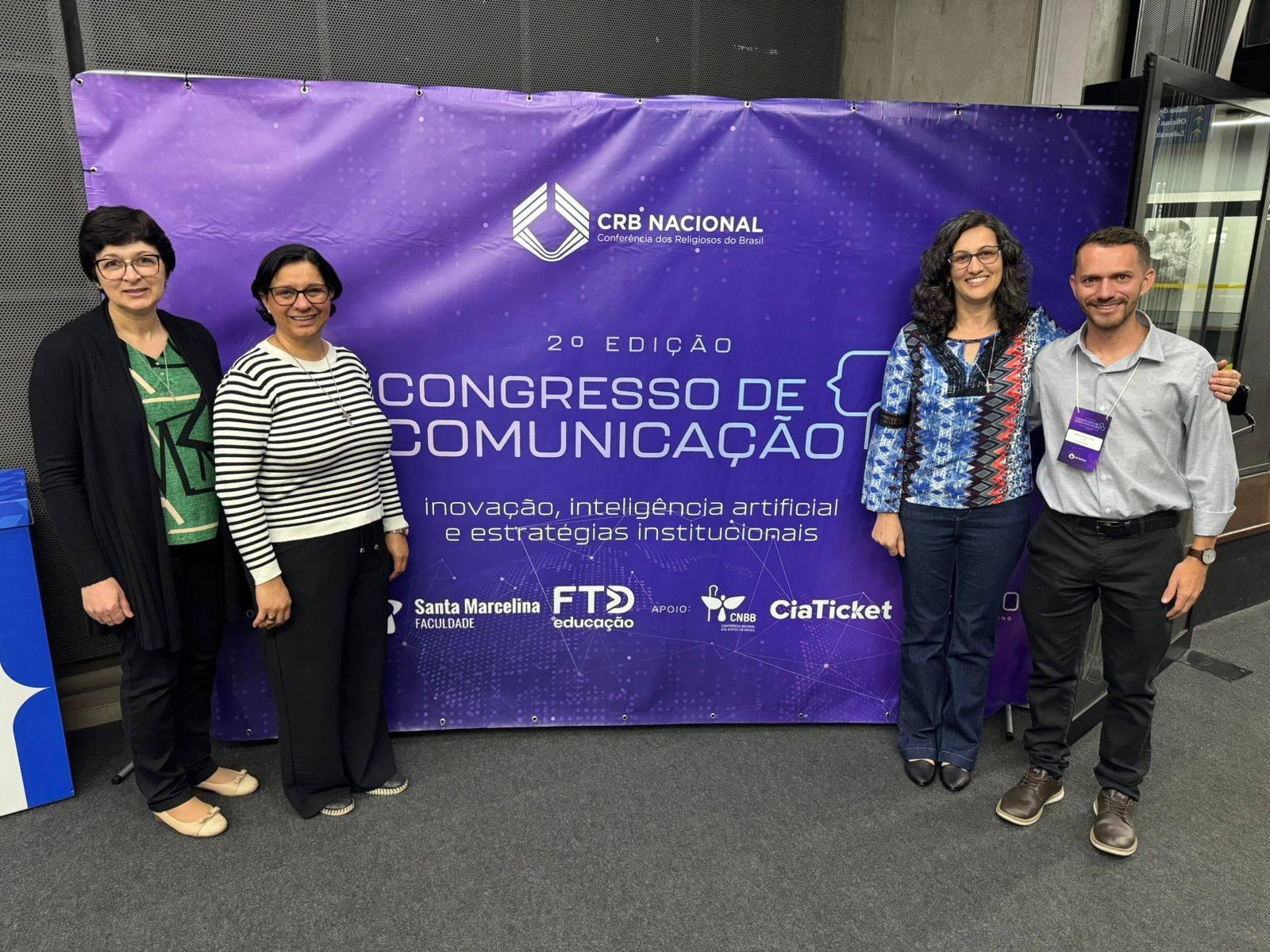
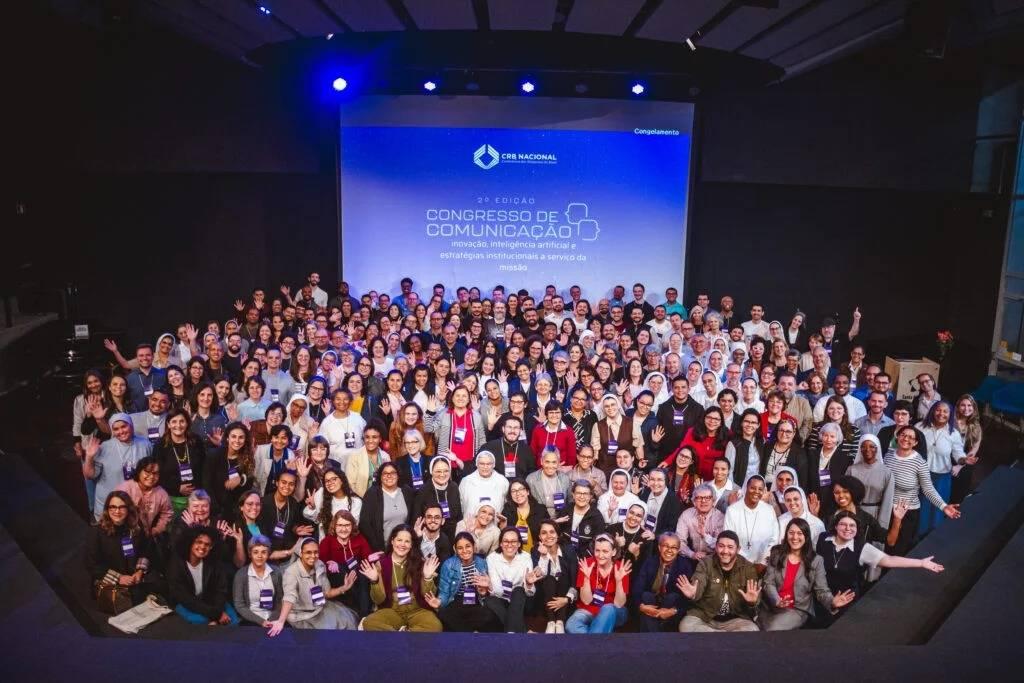
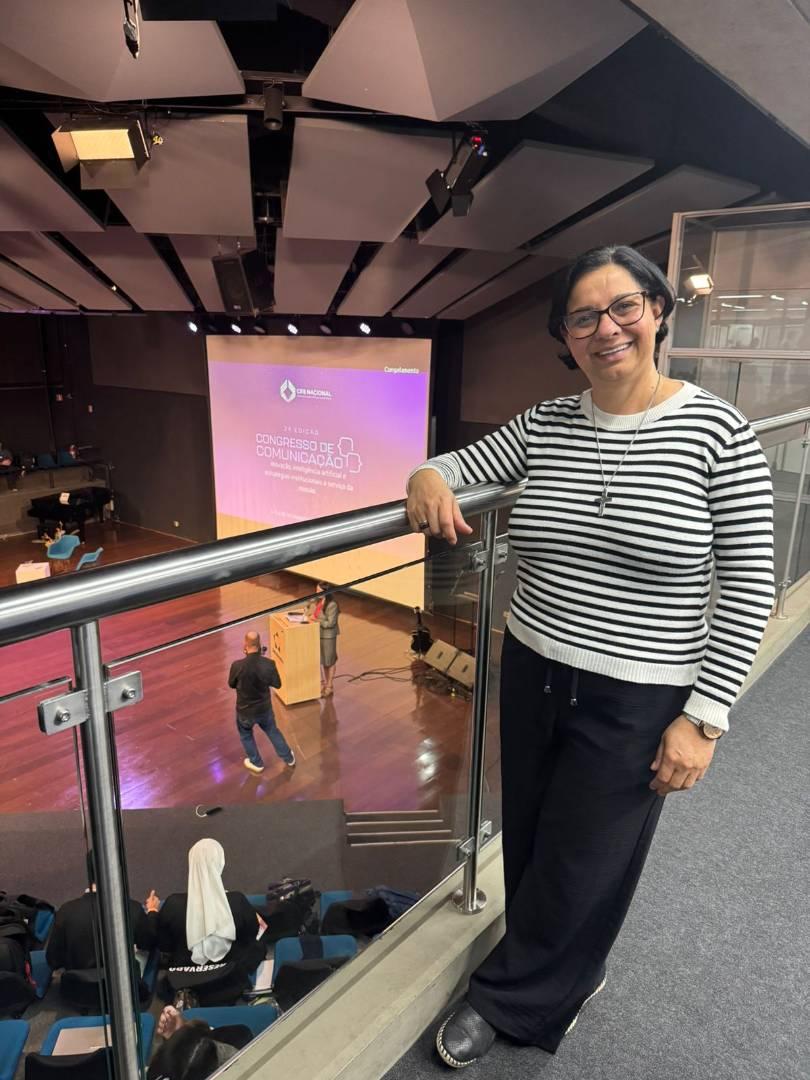
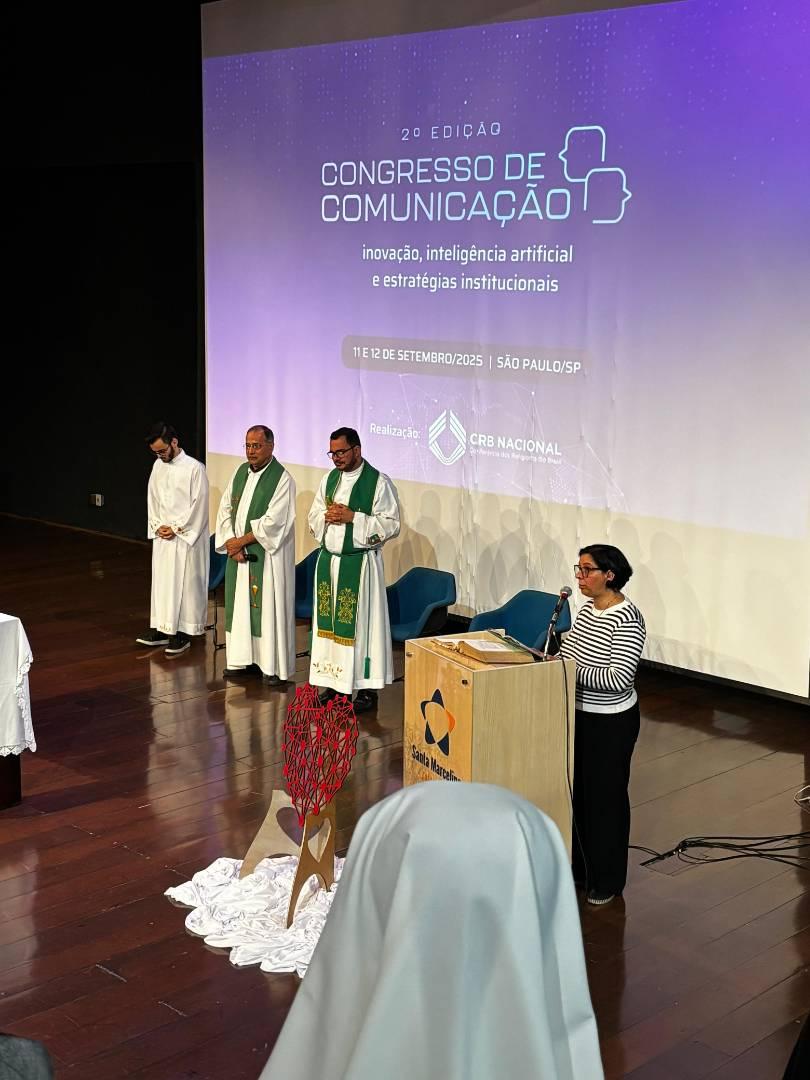
With the theme "Innovation, Artificial Intelligence, and Institutional Strategies", the 2nd National Communication Congress of the CRB began on September 11 at the Santa Marcelina College in São Paulo (SP). The event was promoted by the Communication Department of the Conference of Religious of Brazil (CRB National), coordinated by Sister Neusa Santos, and brought together over 300 participants, including religious men and women, communicators, experts, and representatives from congregations and institutions from across the country.
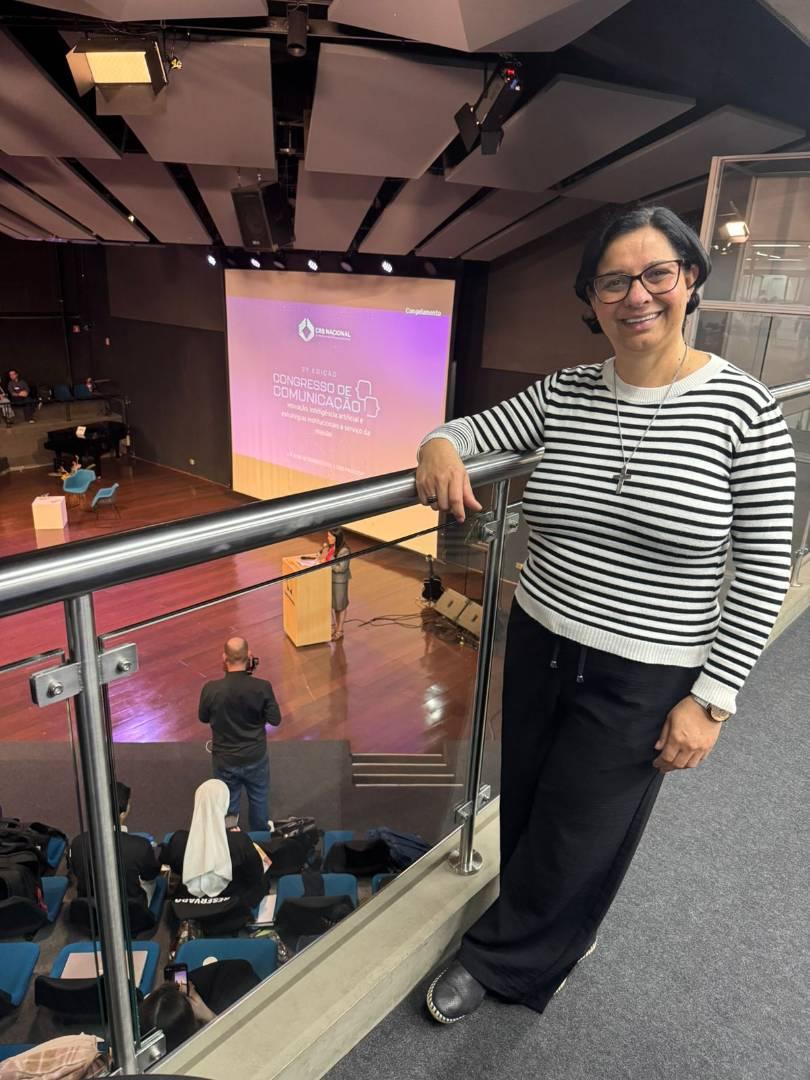
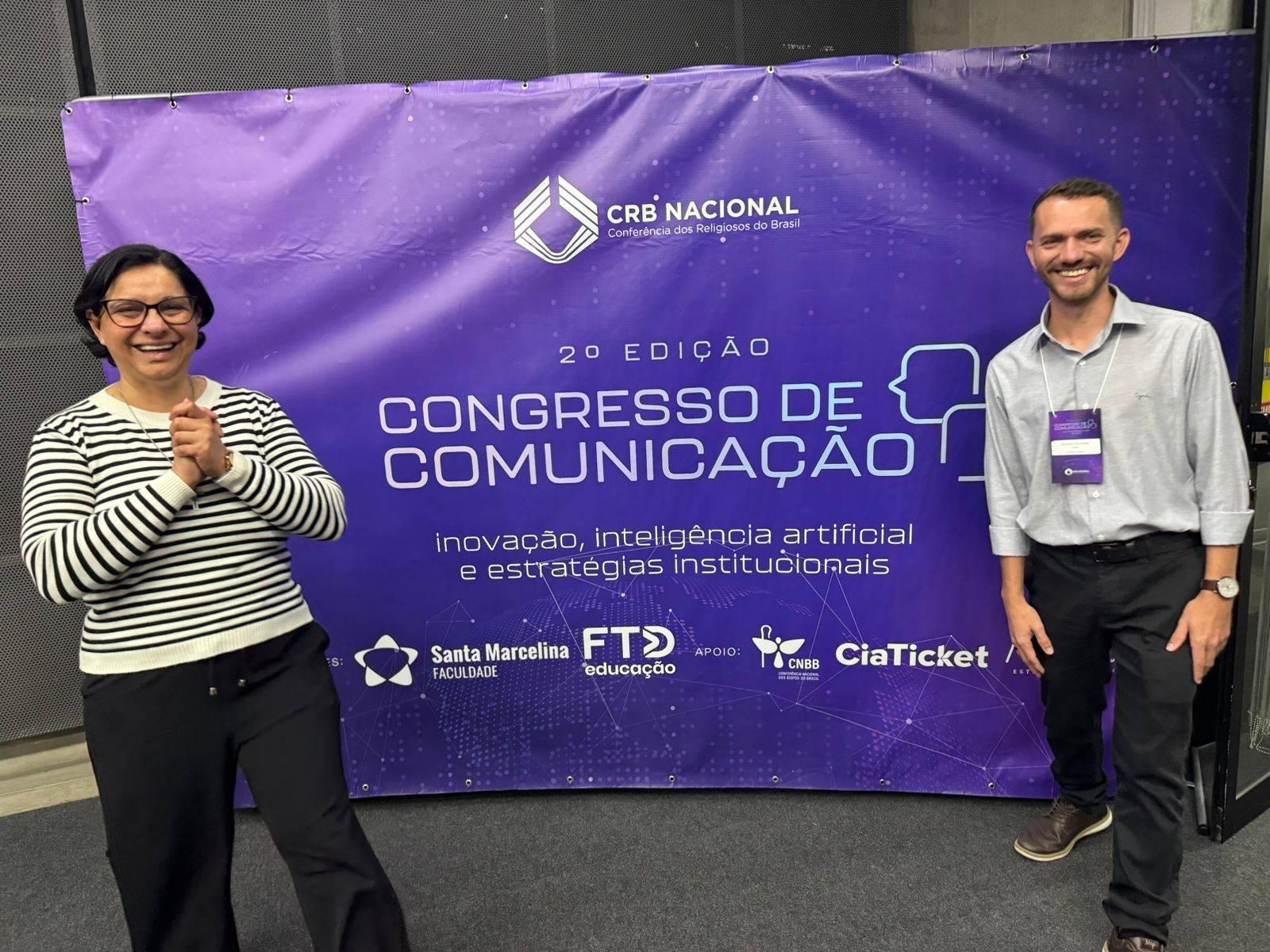
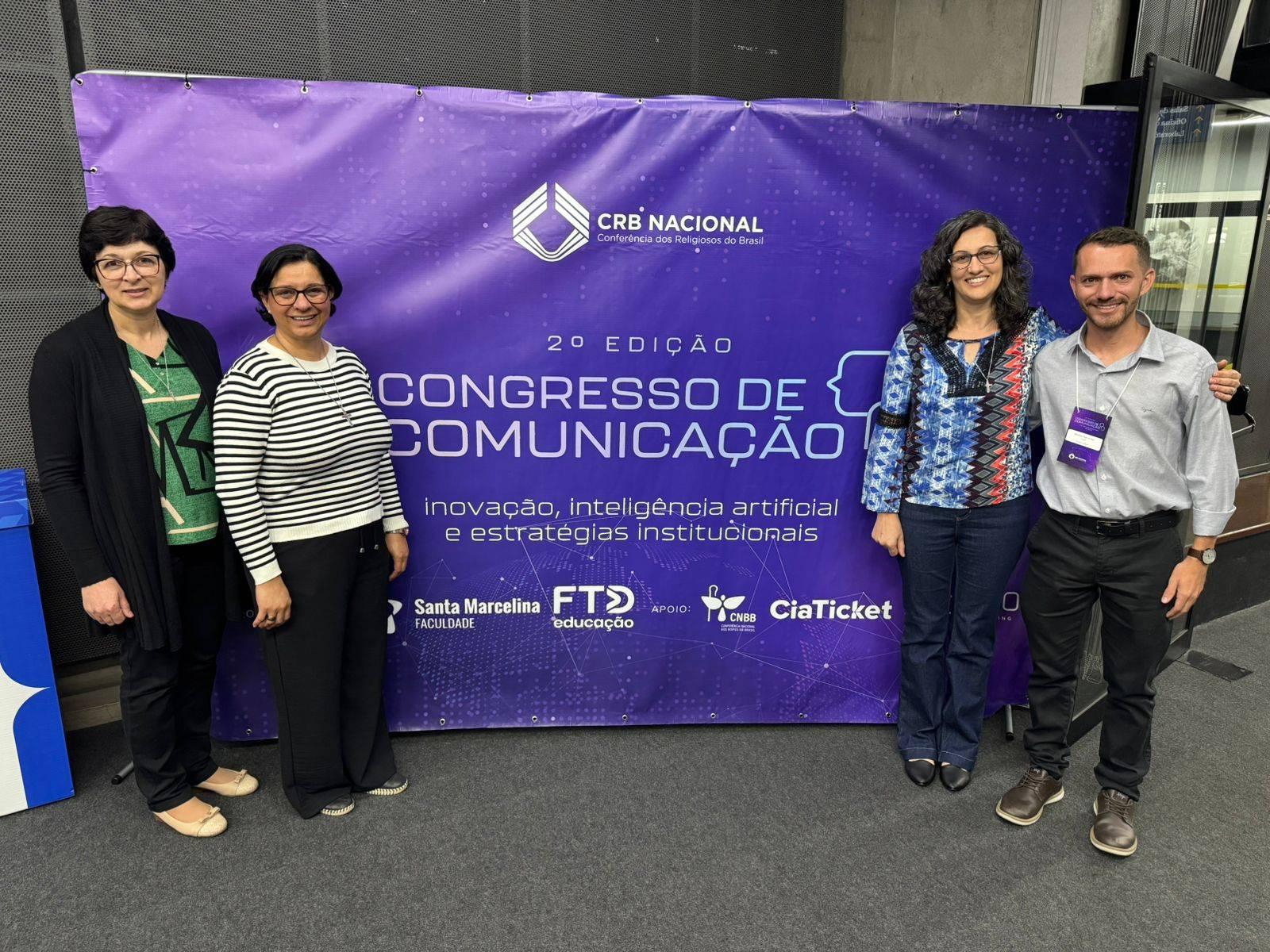
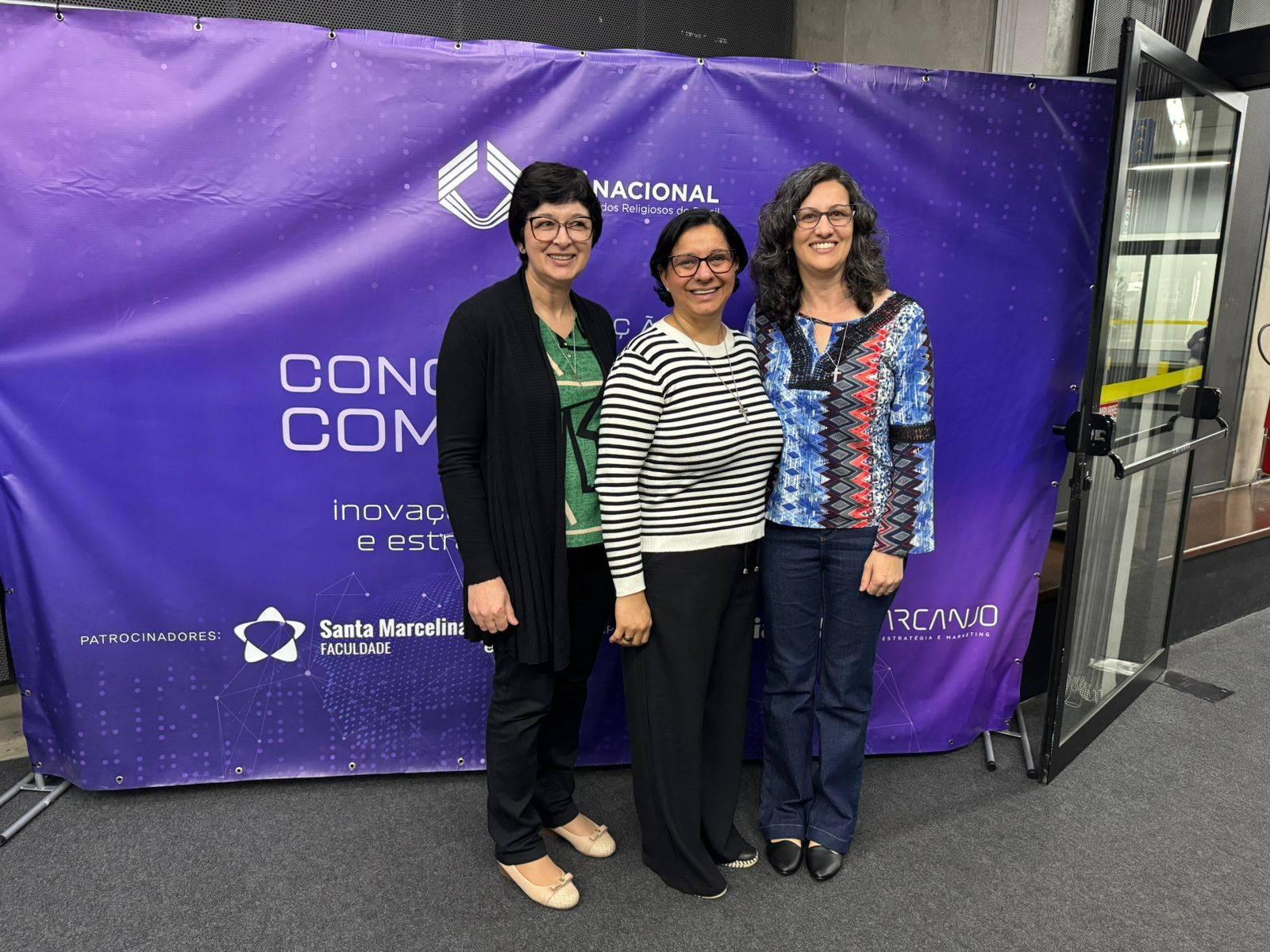
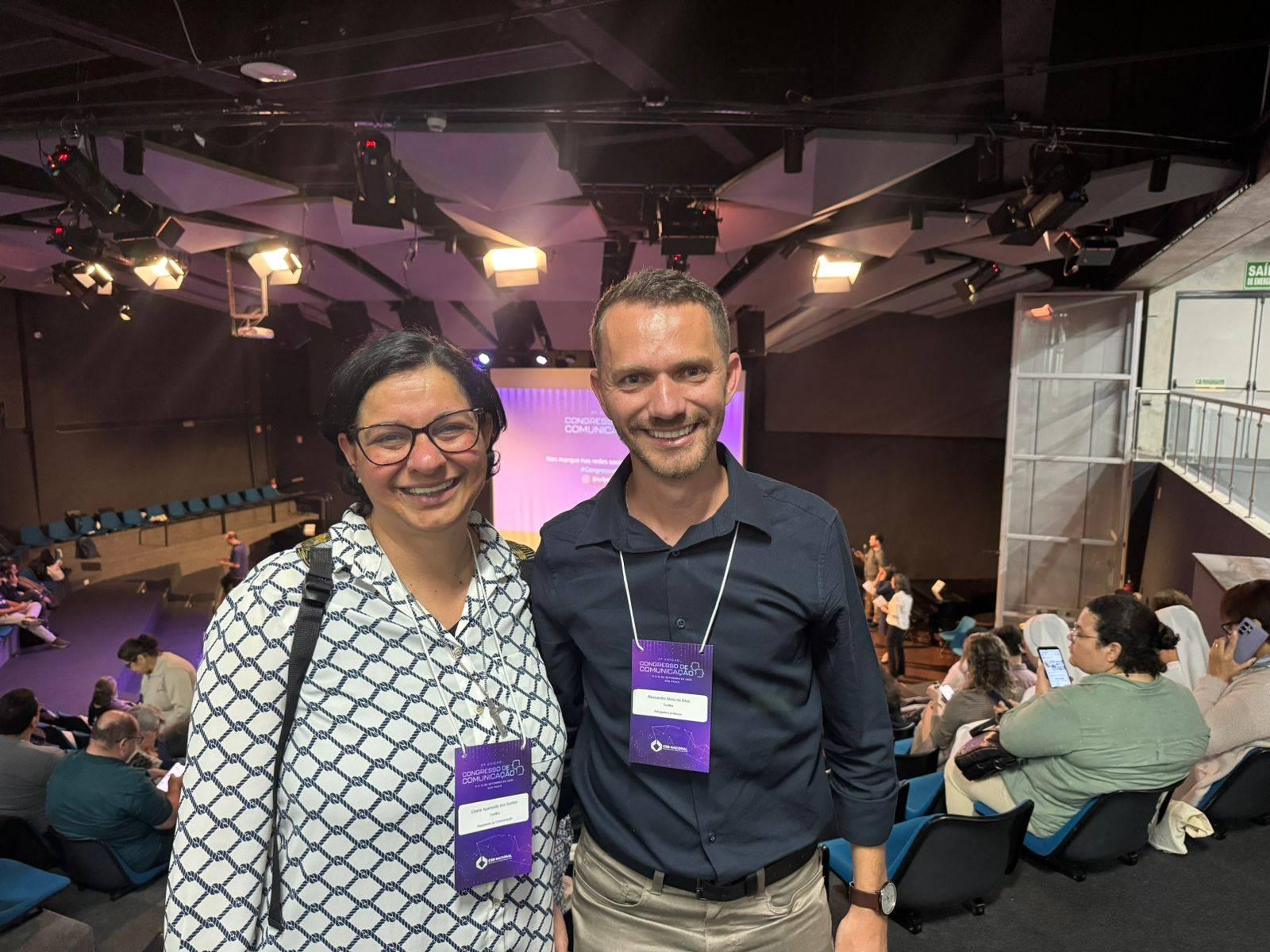
Among the attendees were Sisters of St. Joseph of Chambéry Eliana Aparecida dos Santos, Rosane Steffenon, and Rozângela Steffenon, along with layman Alexsandro Alves da Silva, of the Pequeno Projeto. All participated in intense moments of formation, listening, spirituality, and sharing, with the aim of strengthening the evangelizing mission through communication.

CORE THEME: COMMUNICATION IN SERVICE OF COMMUNION
The central message of the Congress was clear: communication in the Church must be strategic, ethical, sensitive, and grounded in active listening. Among the themes explored over the two-day event were:
"A BURNING HEART AND THE SHARED BREAD" – REFLECTING THE EUCHARIST IN COMMUNICATION
At the opening of the Congress, Prof. Dr. Nataša Govekar, Director of Pastoral Theology at the Vatican’s Dicastery for Communication, offered a deep and symbolic reflection.
“When we share the bread and respond ‘Amen,’ we recognize the Body of Christ – not just at the altar, but in each person. This transforms our gaze and our perspective. We are all the Body of Christ.”
From the Eucharist, Nataša proposed a new way of living and communicating: welcoming what is new in the world and becoming new for the world. She emphasized that communication must be born from the experience of communion, become a space of care, and generate meaning. In her words:
“Silence can be a fertile pause, and true communication is born of this deep listening.”
COMMUNICATION AND TRUTHFULNESS IN TIMES OF DIGITAL BUBBLES

One of the key warnings during the congress was about the dangers of misinformation and so-called "digital bubbles", especially on apps like WhatsApp. Dr. Nataša Govekar stressed the urgent need to verify sources—even when information comes from trusted people—since personal credibility does not replace fact-checking. She also drew attention to the risks of social media on identity formation, especially among adolescents, and emphasized the importance of avoiding toxic digital environments. In a world full of noise, cultivating empathy, serenity, and deep listening is the Christian language that can truly transform interactions.
AI AND LEADERSHIP IN THE DIGITAL WORLD – DR. KLEBERSON M. RODRIGUES
Dr. Kleberson M. Rodrigues presented an analysis of the current world marked by volatility, uncertainty, complexity, and ambiguity (VUCA), proposing a new approach called “MUVUCA,” in which messages are meaningful and universality invites collective action. He highlighted the strong influence of algorithms on behavior and decision-making, reinforcing the need for leaders who can listen, discern, and act ethically. He emphasized complementarity as a key to more humane and collaborative leadership and the conscious use of Artificial Intelligence in Church management and evangelization—provided it remains grounded in Christian values and oriented toward the common good.
DIGITAL PRESENCE OF CONSECRATED LIFE – SR. NINA KRAPIĆ
The digital presence of Consecrated Life was addressed with sensitivity by Sister Nina Krapić, who reflected on the identity and image of religious people in the digital world. According to her, the "religious persona" should not be confused with celebrity culture. We are on social media to witness, to engage in dialogue, and to remain close to people. Social networks should be understood as spaces of communion and listening, not just visibility. Therefore, discernment is essential to know what to say, how to say it, and most importantly, why to say it.
STRATEGIC COMMUNICATION AND STAKEHOLDERS – M.E. PAULO MOREGOLA
Paulo Moregola reinforced the importance of communication planning within religious institutions, always seeking to align mission with daily practice. He emphasized that active listening is the first step toward generating engagement and strengthening relationships. Communication with stakeholders must be strategic, aligned with institutional values, and capable of presenting pastoral and social actions in a clear and authentic way. In this perspective, communication becomes more than a tool—it is a true service to the mission, with the power to inspire social transformation and community commitment.
NARRATIVES AND CULTURE – PROF. DR. LINDOLFO ALEXANDRE DE SOUZA
Professor Dr. Lindolfo Alexandre de Souza spoke about the construction of institutional narratives as a fundamental path for the Church to articulate its identity in society. He explained that language is not limited to spoken or written words—it includes symbols, gestures, and even silence. The way the Church tells its story directly impacts its public image. True, coherent, and symbolic narratives are essential to communicate mission, values, and hope, while respecting internal diversity and differing social perceptions.
CRISIS MANAGEMENT AND COMMUNICATION AS CARE – DR. ROSÂNGELA FLORCZAK
In times when crisis has become part of institutional and social routine, Dr. Rosângela Florczak stated that communication, above all, is an act of care. Crises demand prevention, a calm presence, and active listening. When conflicts arise, the response must be transparent, ethical, and empathetic. Communication, in this context, must be rooted in care, aiming to restore trust and rebuild bonds. Evangelization also happens when we help people interpret reality with depth and hope—not just when we share information.
SUSTAINABILITY AND COMMUNICATION – DR. ALELUIA HERINGER
Environmental expert Dr. Aleluia Heringer addressed the severity of the climate emergency, noting that six of the nine planetary boundaries have already been crossed. One alarming statistic reveals that 1% of the global population is responsible for more CO₂ emissions than the poorest 66%. According to her, the solution lies in collective action and strategic communication based on data, positive examples, and real stories. She also highlighted the importance of valuing local knowledge and community-led initiatives, encouraging lifestyle changes and more conscious habits. Communication, in this scenario, must mobilize hearts and minds to build a more just and sustainable future.
ARTIFICIAL INTELLIGENCE IN THE CHURCH – MARIA CRISTINA DOMINGUES
Closing the event, expert Maria Cristina Machado Domingues discussed the potential and limits of Artificial Intelligence in the Church. AI can support the mission by helping create content, facilitate catechesis, improve access to Church documents, and enhance inclusion for people with disabilities. However, she warned that no technology can replace human presence, the grace of the sacraments, or the personal witness of missionary disciples. Therefore, the Church must take an active role in ethical discussions around AI, ensuring its use always upholds human dignity, promotes justice, and serves the common good.
COMMUNICATION AS CALLING AND MISSION
Throughout the congress, it became clear that communication is more than a tool—it is a calling. To communicate is to share life, bring hearts closer, be present, and make faith and hope visible. In a time of rapid change and global challenges, the Church is called to communicate with responsibility, creativity, active listening, and truth—as a concrete expression of its evangelizing mission and its commitment to the dignity of life in all its forms.
Sr. Eliana Aparecida dos Santos and Alexsandro Alves da Silva
Nosso site não utiliza cookies próprios, mas integra funcionalidades de terceiros que enviarão cookies ao seu dispositivo. Ao continuar navegando, esses cookies coletarão dados pessoais indiretos. É recomendável que você se informe sobre os cookies de terceiros. Ao prosseguir, você concorda com nossa Política de Privacidade e Política de Cookies.