




















Ericks
felicidades
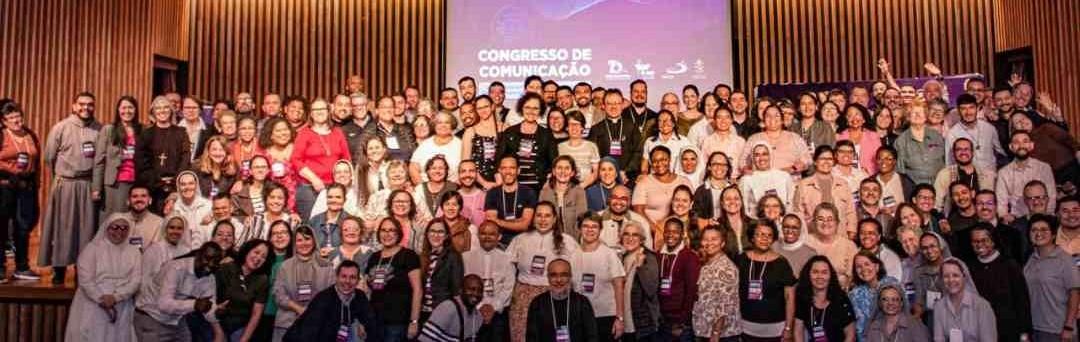
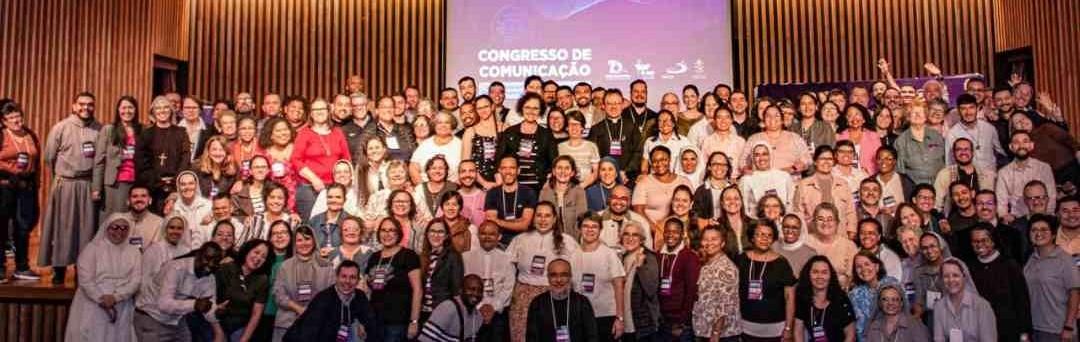
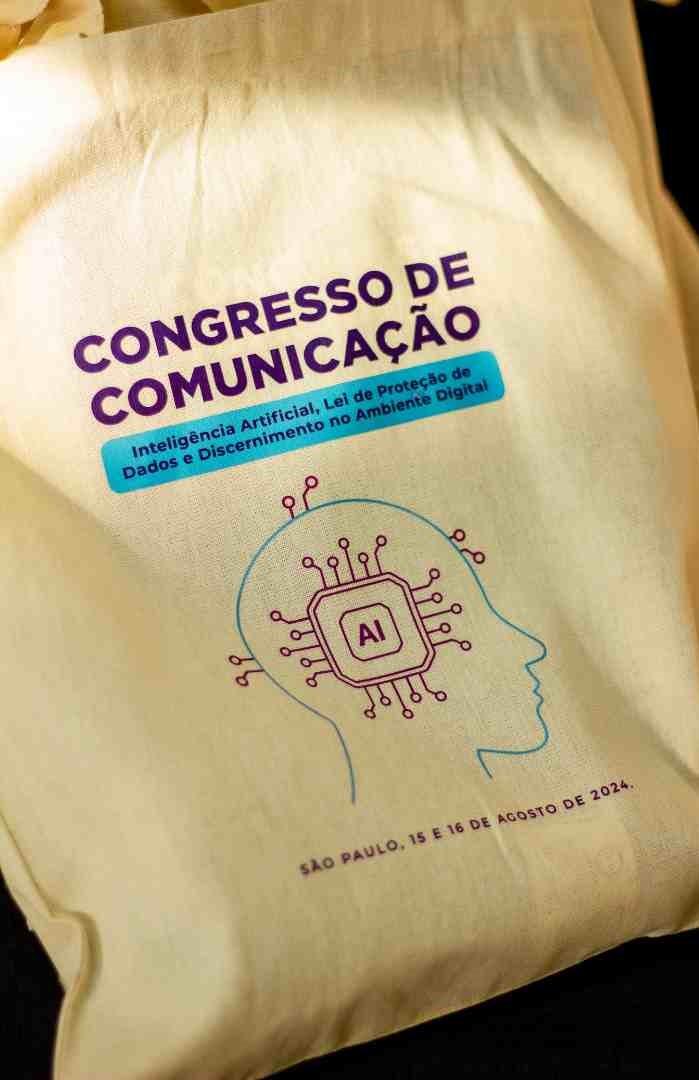
Communication Congress: Artificial Intelligence, General Data Protection Law and Discernment in the Digital Environment brings together more than 200 participants to São Paulo
Photografy: Elder Luis
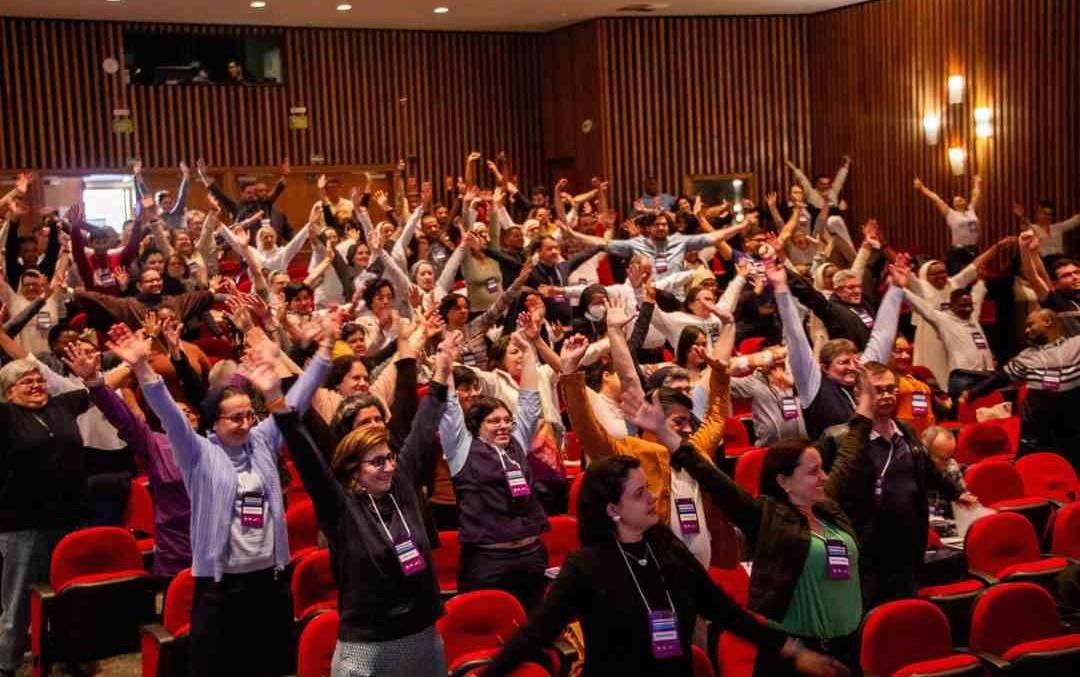
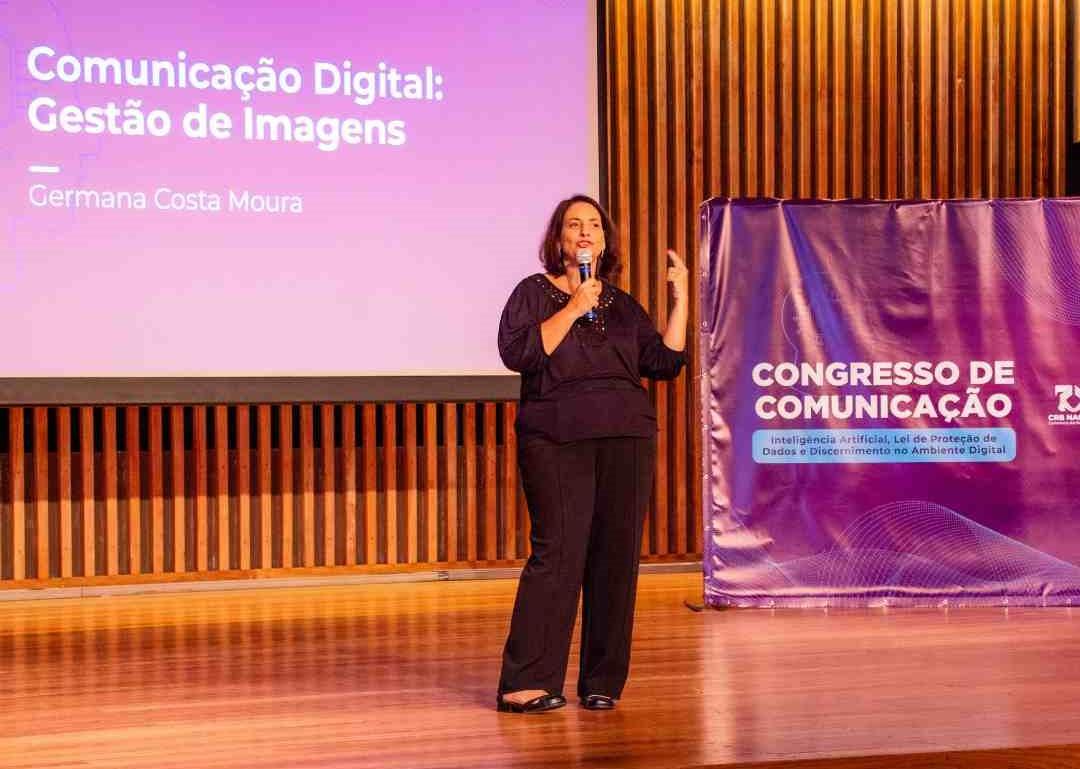
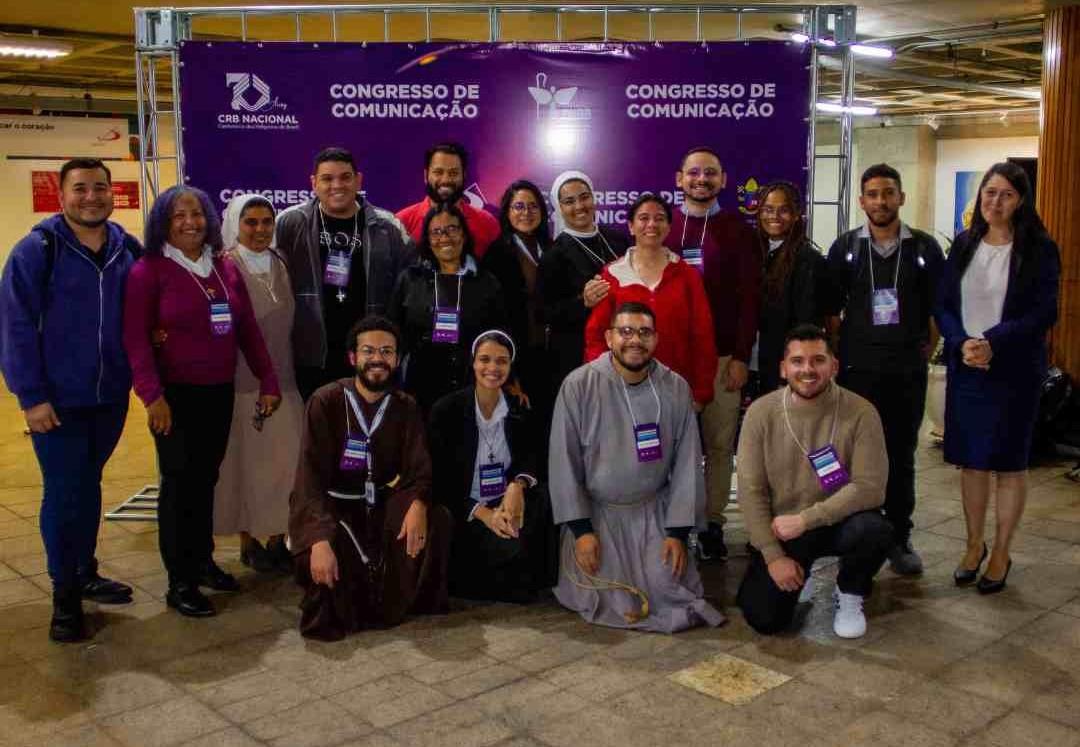
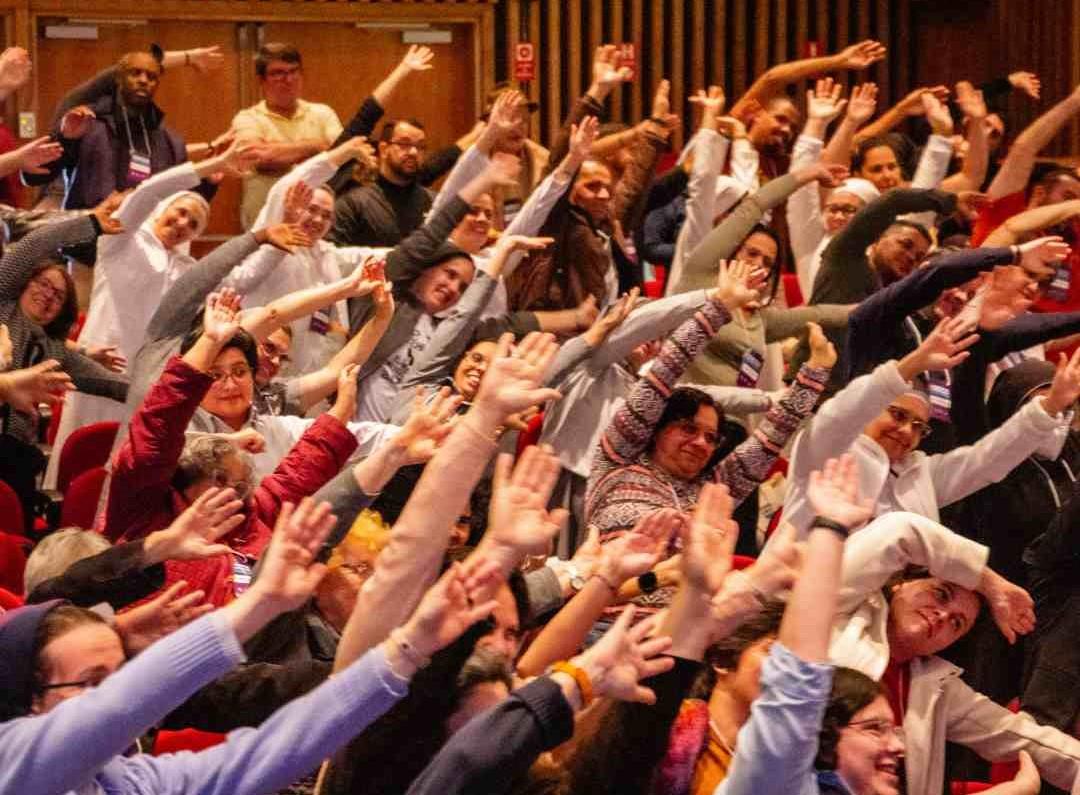
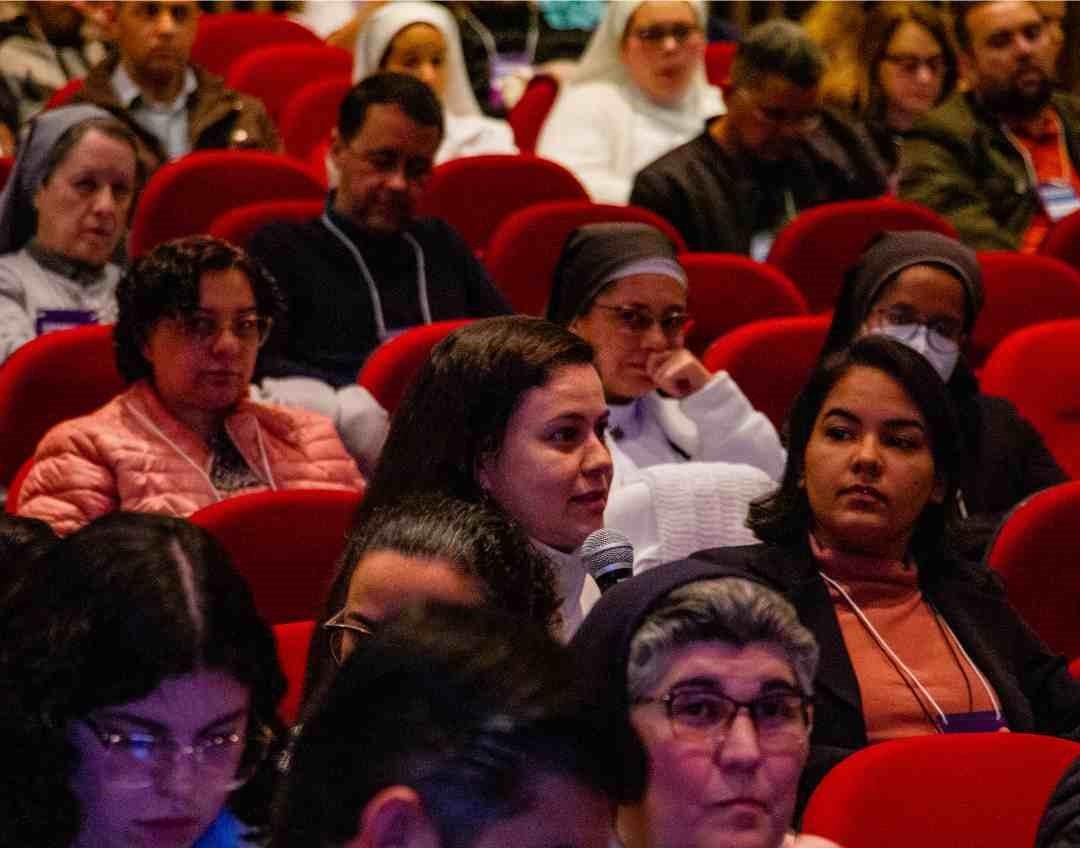
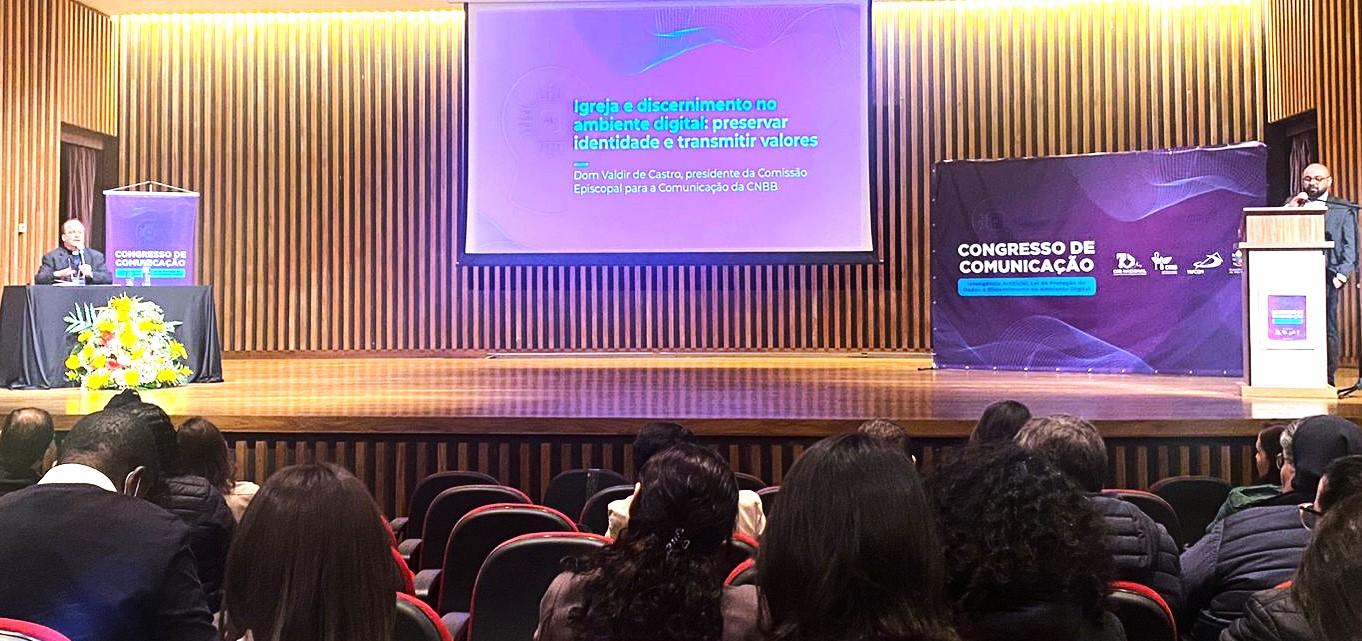
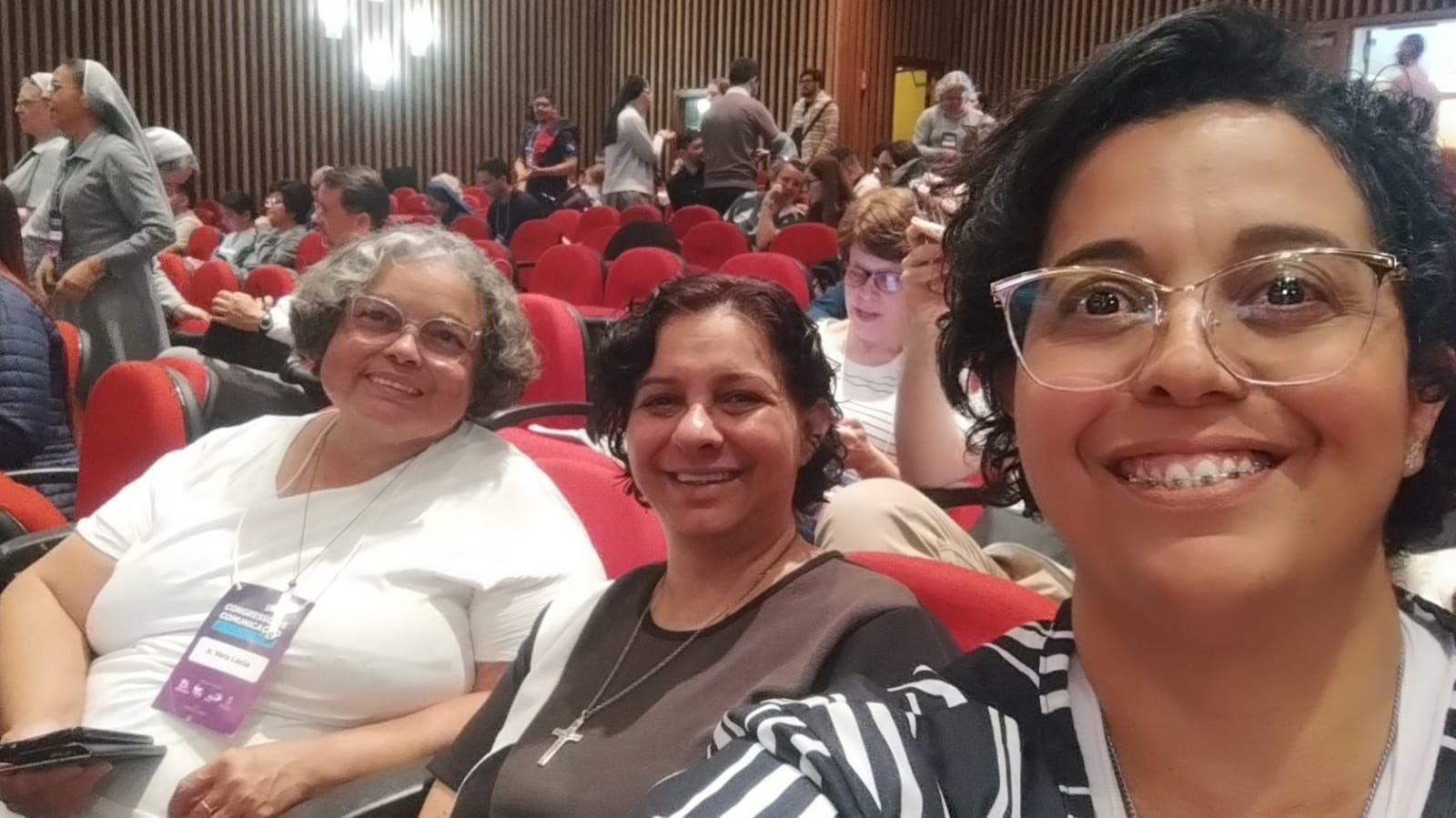
The Communication Congress – Artificial Intelligence, General Data Protection Law and Discernment in the Digital Environment began on the morning of Thursday, August 15th, at Faculdade Paulus de Comunicação (FAPCOM), in São Paulo. The event was organized by the Communication Sector of the Conference of Religious of Brazil (CRB Nacional), with support from the communications offices of the National Conference of Bishops of Brazil (CNBB), and the Archdiocese of São Paulo and FAPCOM. This event brought together more than 200 participants, including men and women religious, lay men and women from all regions of Brazil. The Sisters of Saint Joseph of Chambery were present through Srs. Eliana Aparecida dos Santos, Franceli Bernardes, Vera Lúcia dos Santos, as a and members of the communication group from Brazil.

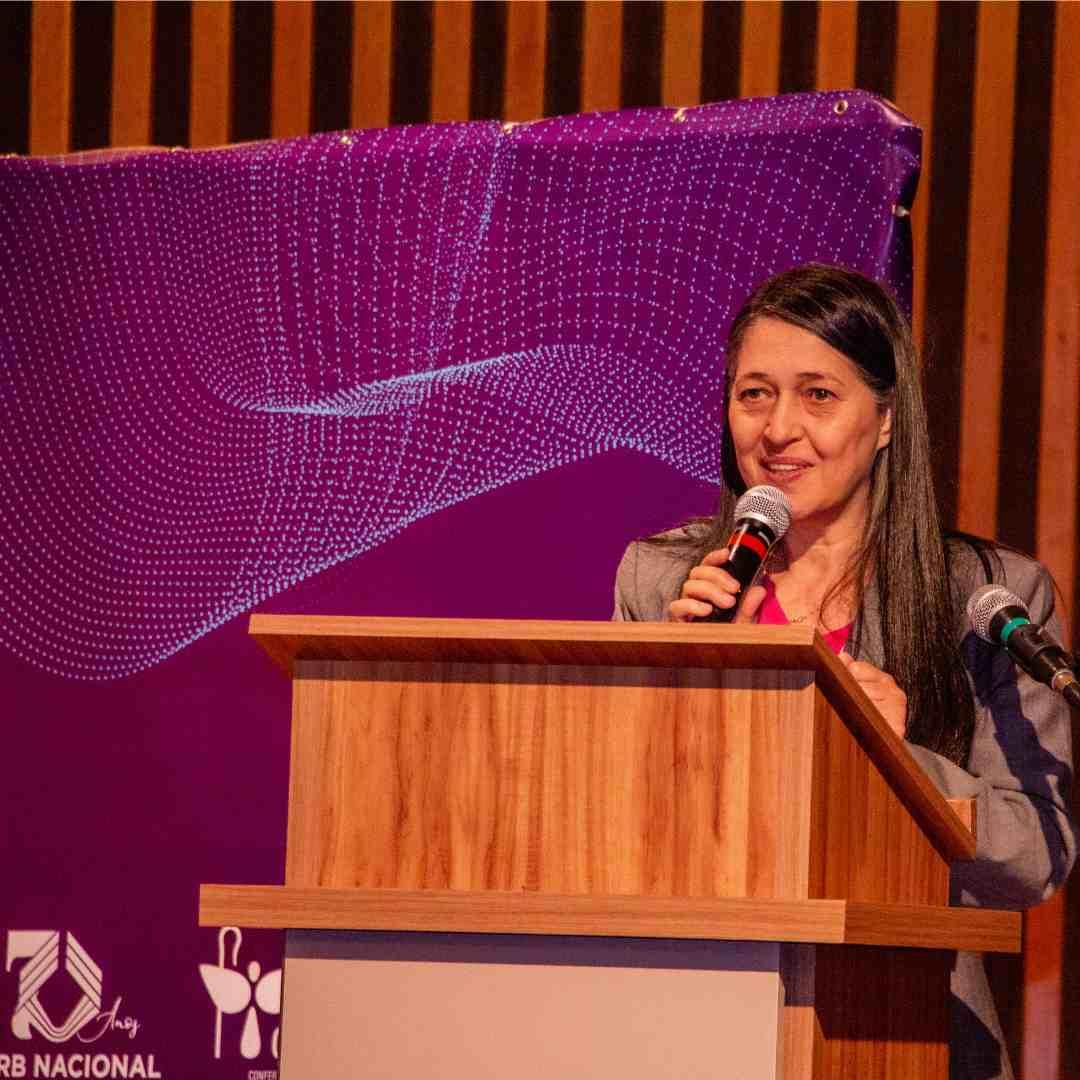
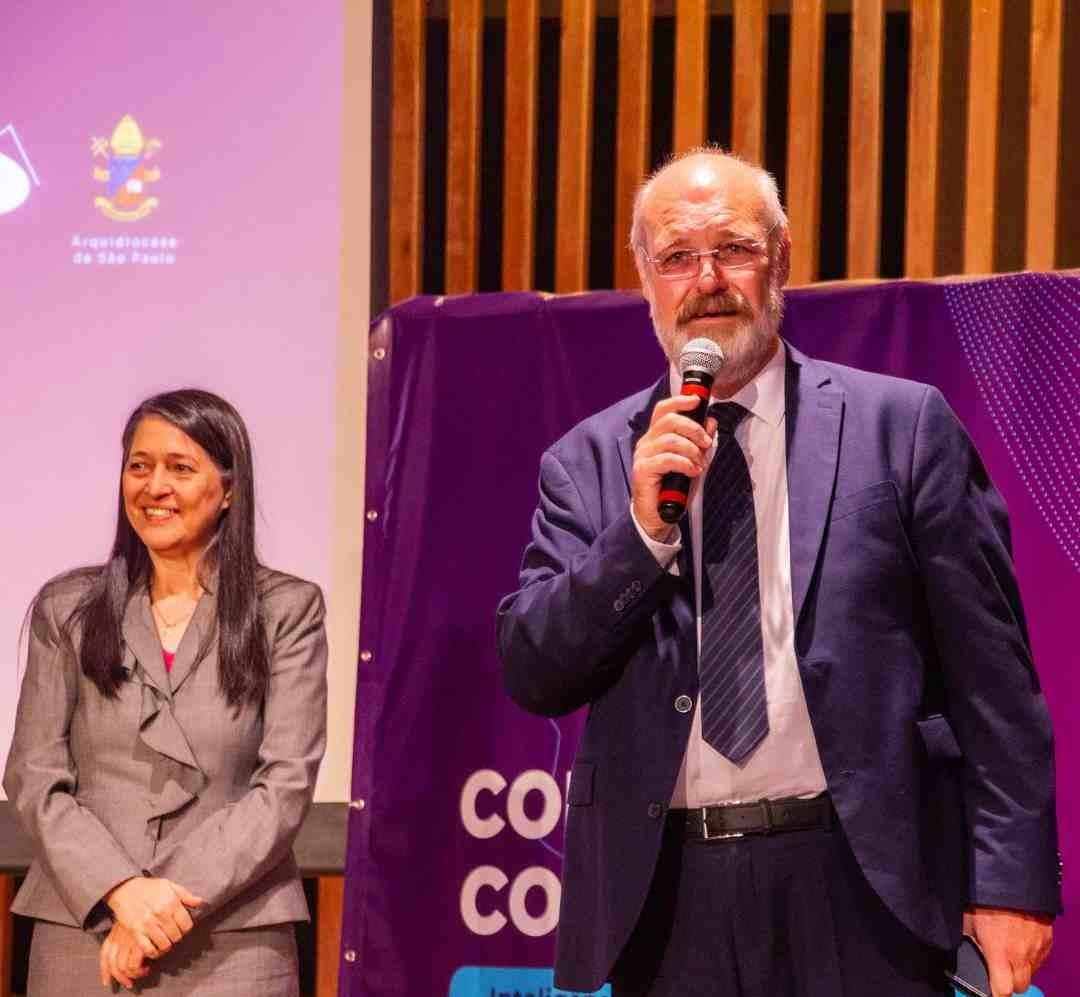
The inaugural address was given by Sr. Neusa Santos, the Congress Coordinator and Advisor to the Communication Sector of CRB National. She welcomed the congress and highlighted the importance of the event as a space for dialogue and reflection on new technologies and their impacts on religious communication. She also introduced the members of the Communication and Digital Culture Commission of the Latin American and Caribbean Conference of Religious Men and Women (CLAR), who attended the congress, bringing the realities of Latin America and the Caribbean.
CHALLENGES AND RESPONSIBILITIES
During the two-day event, participants attended a series of conferences and debates that addressed central topics, such as the General Data Protection Law (GDPL), the role of digital influencers in religious communication, crisis management in institutional communication, Fake News, and the use of AIs in contemporary society.
Bishop Valdir de Castro, President of the CNBB Episcopal Commission for Communication, highlighted the relevance of communication in the Church, especially after the Second Vatican Council. He highlighted that the Church's historic commitment to connecting faith and message continues to guide its actions in the modern world.

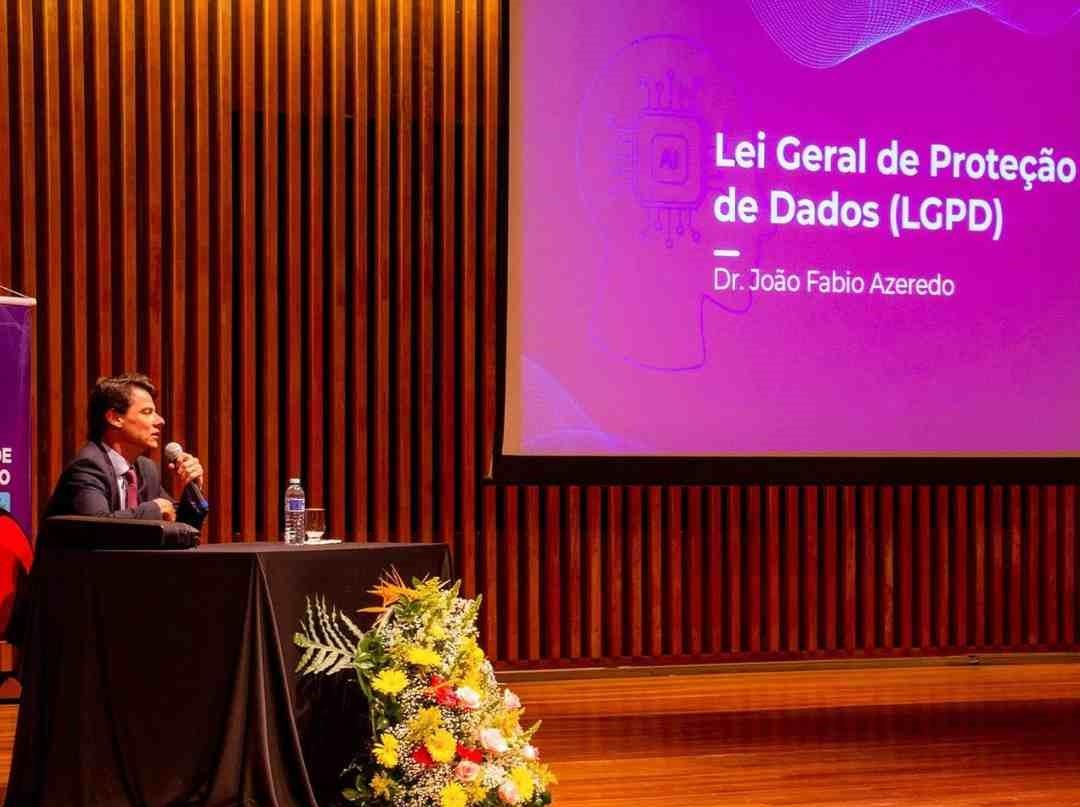
On the first day, Dr. João Fábio Azeredo, a specialist in digital law, discussed the challenges and responsibilities imposed by the GDPL on institutions and individuals in the digital environment. He clarified the implications of the legislation and offered guidance on how to ensure information is protected.
THE MEDIA PLAYS AN INEVITABLE ROLE
In a remote participation, Slovenian theologian Nataša Govekar, director of the Theological-Pastoral Department of the Vatican's Dicastery for Communications, reflected on Trinitarian communication based on the iconography of a 6th century sarcophagus. She motivated religious life to engage in the Pentecost Project, aimed at Consecrated Life.

Lúcia Martins, specialist in institutional communication, addressed the importance of strategic communication management within institutions, highlighting how effective crisis prevention and management can strengthen organizational reputation.
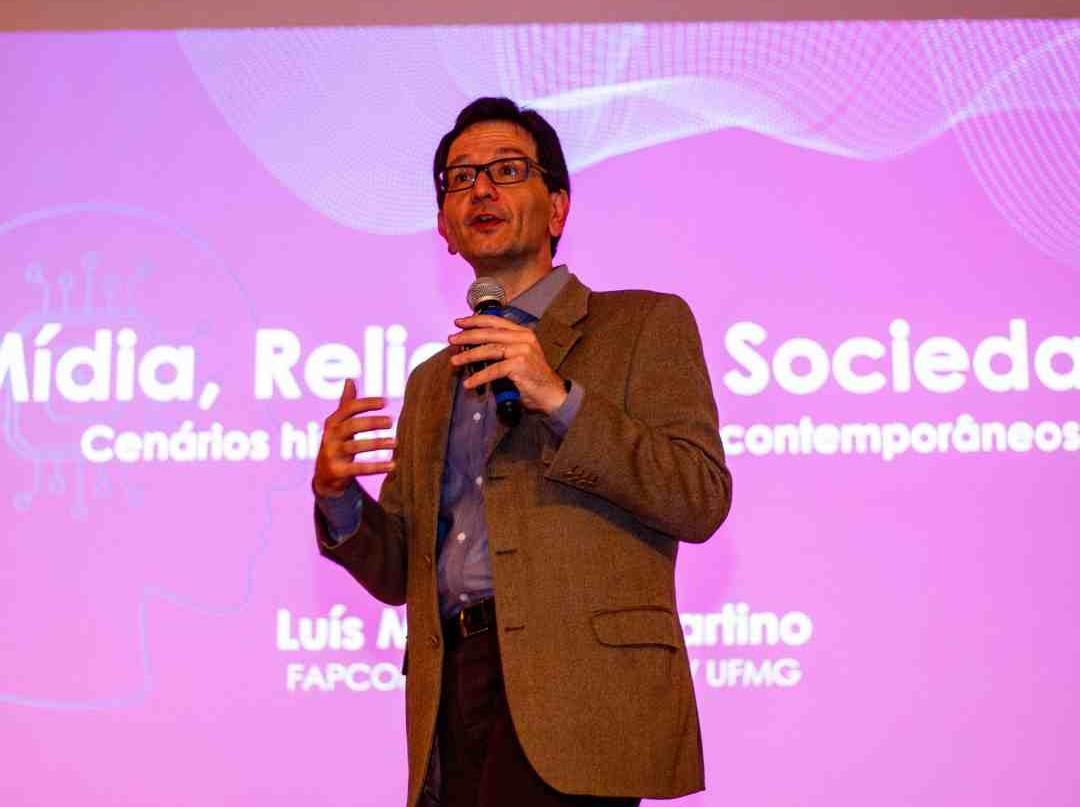
At the end of the first day, Dr. Luis Mauro Sá Martino discussed the relationship between media, religion and society, highlighting how religious beliefs shape social and cultural behaviour, and how the media plays an inevitable role in this process. He also analysed entertainment as a religious model in today's society, citing examples such as singing priests and celebrity pastors, and discussed public visibility and political strategies in the media field.
AI IN OUR LIVES AND INSTITUTIONS
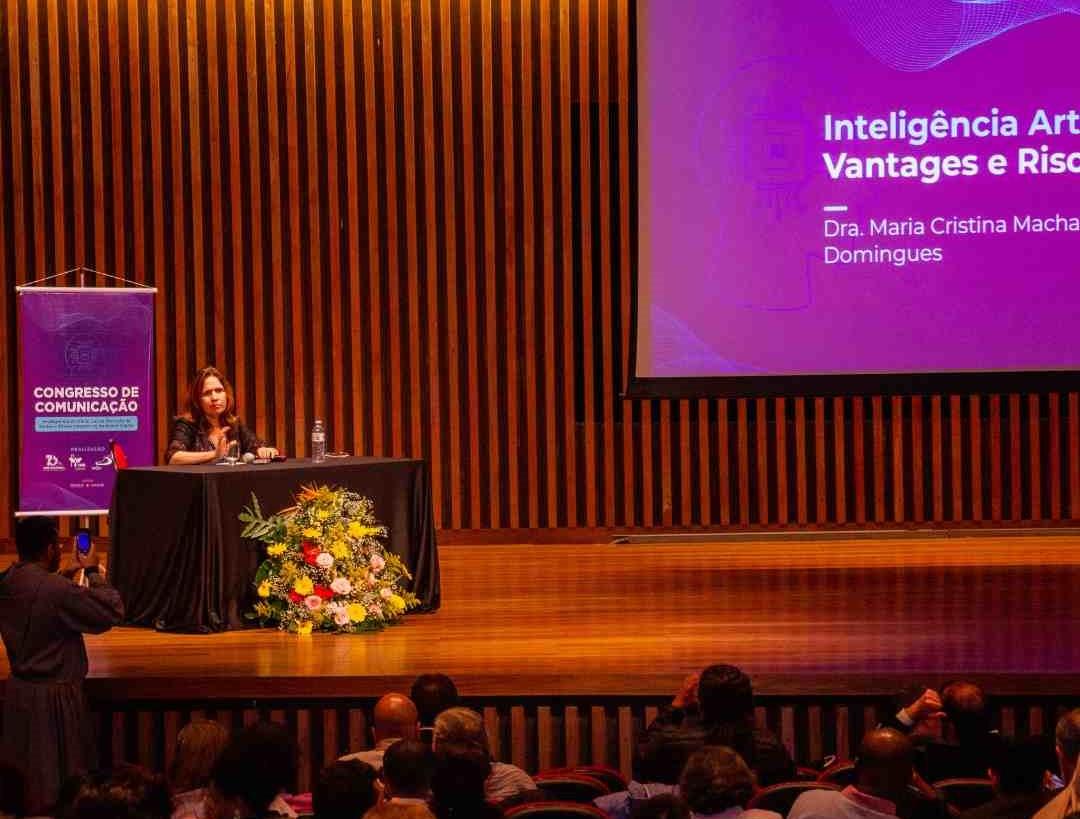
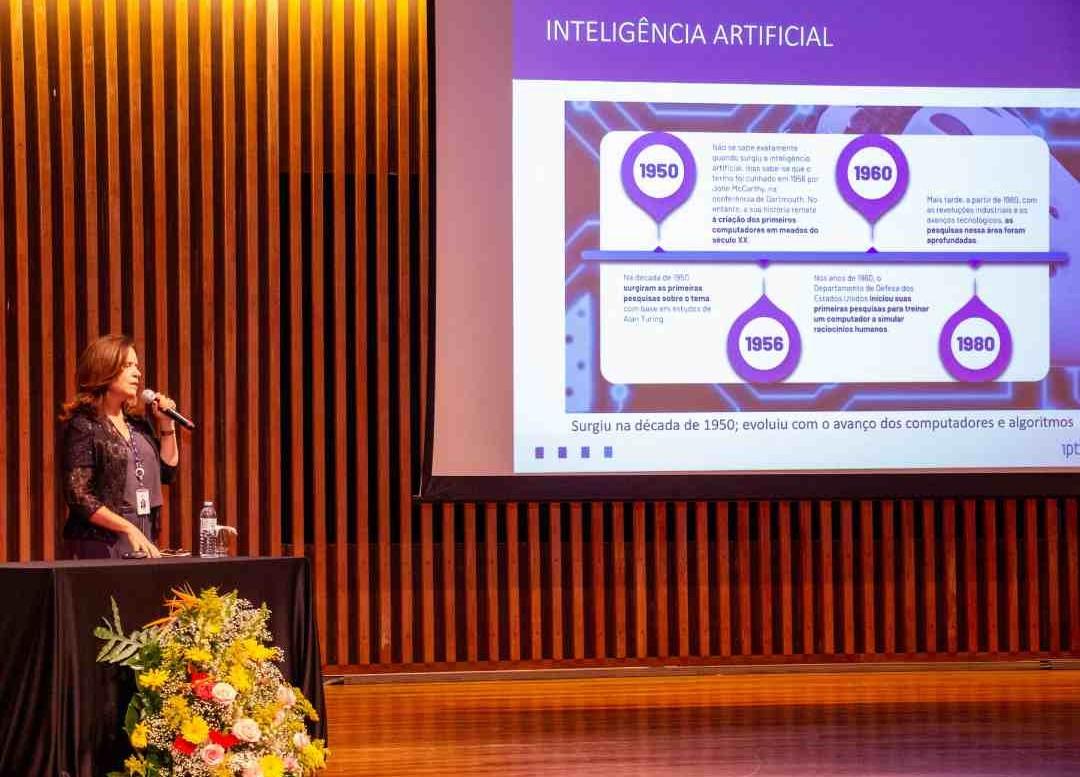
The second day of the congress began with a Eucharistic celebration, followed by a lecture which was delivered by Professor Maria Cristina Machado Domingues, who addressed aspects of Artificial Intelligence. She highlighted both the advantages and risks associated with the technology, warning of the ethical and social challenges that must be considered when integrating AI into our lives and institutions.

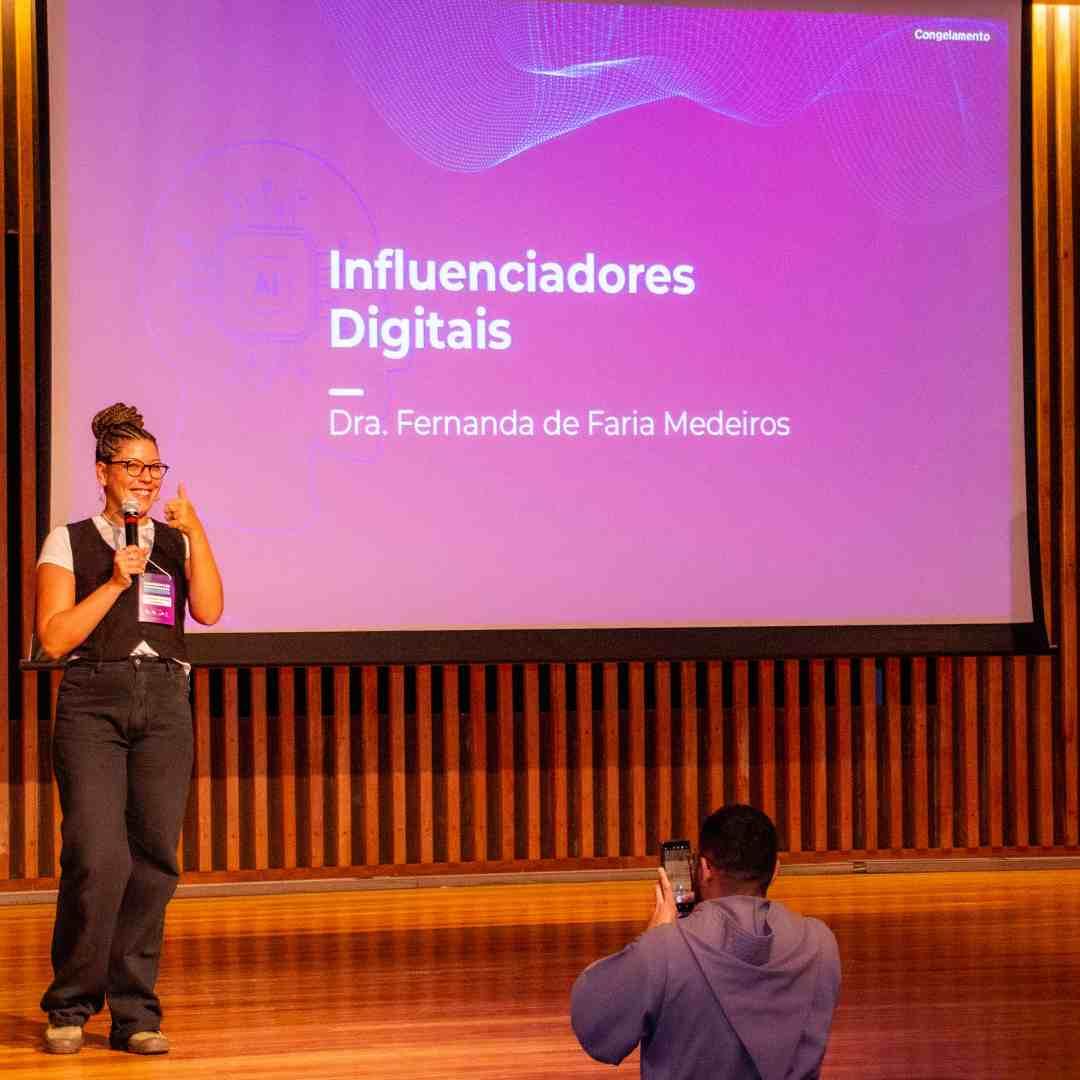
Dr. Fernanda de Faria Medeiros explored the role of digital influencers in contemporary society, analysing how these figures shape opinions, behaviours and trends through digital platforms. She also discussed the responsibilities that come with this influence and the impacts on modern culture and communication.
THE CHURCH AS AN ETHICAL LIGHTHOUSE
Professor Dr. Marcus Tullius spoke on Communication, identity and the advent of new behaviours in a hypermedia society. He expressed his views on the construction of identity in the digital age and the importance of community bonds in a society marked by the multiplicity of identities and ephemerality.

The event ended with the participation of Fr. Arnaldo Rodrigues, CNBB press officer who addressed the topic of “Digital communication and the announcement of Truth in times of Fake News.” He highlighted the importance of the Church acting as an ethical beacon and using digital platforms to evangelize and disseminate the truth with discernment and responsibility.
SIGNIFICANT IMPACT AND NEW IDEAS
At the conclusion of the Communication Congress, participants expressed their impressions of the event. Their views of the event are: Excellent and relevant; current and rich in content, providing significant impact and new ideas; Highlighting the importance of reflection and qualification in communication, in addition to valuing testimony and learning. The event was seen as an opportune moment of grace, enriching both religious life and daily work. Vote of thanks was given to the organizing teams responsible for this initiative.

Sr. Eliana Aparecida dos Santos



felicidades
Muchas felicidades hermanas
Nosso site não utiliza cookies próprios, mas integra funcionalidades de terceiros que enviarão cookies ao seu dispositivo. Ao continuar navegando, esses cookies coletarão dados pessoais indiretos. É recomendável que você se informe sobre os cookies de terceiros. Ao prosseguir, você concorda com nossa Política de Privacidade e Política de Cookies.